
Motion Sickness
Understanding Motion Sickness
Motion sickness is a condition that occurs when there’s a disconnect between the motion your eyes see and the motion your inner ear senses. This sensory conflict sends confusing signals to your brain, resulting in nausea, dizziness, and discomfort. The condition affects millions of people during car rides, flights, boat trips, and other forms of transportation. While it’s not dangerous, motion sickness can significantly impact your travel experience and quality of life. Understanding the symptoms and triggers is the first step toward finding effective relief and managing this common travel ailment.
Common Symptoms and Triggers
The symptoms of motion sickness typically begin with mild discomfort and can progress if left untreated. Most people experience nausea, dizziness, and a general feeling of unease. Other common symptoms include headaches, cold sweats, fatigue, and loss of appetite. Vomiting may occur in severe cases, particularly during extended journeys.
Triggers vary from person to person but commonly include car travel, airplane flights, boat rides, and amusement park rides. Poor ventilation, reading while traveling, and focusing on nearby objects can worsen symptoms. Some individuals are more susceptible to motion sickness due to genetics, age, or hormonal factors. Children between the ages of two and twelve are particularly prone to this condition, as are women during pregnancy and menstruation.
Over-the-Counter Medications Available in Canada
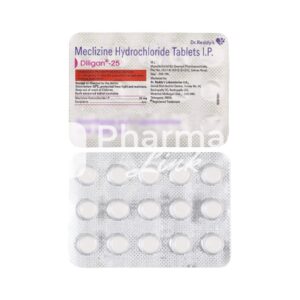
Several effective over-the-counter medications are readily available across Canadian pharmacies to help manage motion sickness. Dramamine (dimenhydrinate) is one of the most popular choices and works by reducing signals from the inner ear to the vomiting center in the brain. Gravol is another trusted Canadian brand containing the same active ingredient, available in tablets, liquids, and suppository forms. Bonamine, featuring meclizine as its active ingredient, offers a non-drowsy option for many travellers.
These medications are most effective when taken thirty minutes to an hour before travel begins. Ginger-based products have also gained popularity as natural alternatives, with many Canadian pharmacies stocking ginger supplements and candies. Peppermint products are another natural option that some people find helpful for settling their stomach. Most over-the-counter options are affordable and can be purchased without a prescription at any pharmacy across Canada.
Prescription Medications and Stronger Options
For individuals who don’t respond well to over-the-counter treatments, prescription medications offer more powerful relief. Scopolamine patches, prescribed by healthcare providers, deliver medication through the skin and provide long-lasting protection for up to three days. These patches are particularly useful for people taking extended trips or cruises.
Promethazine is another prescription option that combines motion sickness relief with anti-anxiety properties. Some patients benefit from Metoclopramide, which works by increasing stomach emptying and reducing nausea signals. Your doctor may also recommend Ondansetron, typically used for chemotherapy-related nausea but effective for severe motion sickness.
Prescription medications typically offer stronger symptom relief but may carry additional side effects compared to over-the-counter options. It’s important to consult with a healthcare provider to determine which prescription medication is most appropriate for your specific situation and medical history. Many Canadian provincial health plans provide coverage for prescription motion sickness medications when medically necessary.
Natural Remedies and Alternative Approaches
Beyond pharmaceutical options, numerous natural remedies have shown effectiveness in managing motion sickness symptoms. Ginger is perhaps the most scientifically supported natural option, available in fresh, powdered, or supplement form at Canadian health stores and supermarkets. Peppermint tea consumed before travel can help settle the stomach and reduce nausea. Acupressure wristbands apply gentle pressure to specific points on the wrist believed to reduce motion sickness symptoms.
Deep breathing exercises and relaxation techniques help calm the nervous system and minimize symptoms. Keeping your eyes on the horizon rather than nearby objects helps align the signals between your eyes and inner ear. Improving ventilation in your vehicle and avoiding strong odours can significantly reduce symptom triggers.
The following natural approaches can help manage motion sickness:
- Eating light, easily digestible foods before travel
- Staying hydrated throughout your journey
- Sitting in the front seat of a vehicle or in the centre of a boat
- Using homeopathic remedies available at specialty stores
- Trying herbal tinctures designed for nausea relief
Prevention Tips and Travel Recommendations
Preventing motion sickness before it starts is often more effective than treating symptoms after they develop. Take your chosen medication thirty to sixty minutes before beginning your journey to allow it to take effect. Choose your seating position wisely—the front seat in cars, over the wings in aircraft, and the centre of boats typically experience less motion.
Avoid reading, using phones, or focusing on close objects during travel, as this confuses your sensory system. Keep your eyes fixed on distant, stationary objects to help your brain process motion more accurately. Ensure adequate ventilation in your vehicle and avoid strong odours that trigger nausea.
Eat light meals before travelling and avoid greasy or heavy foods that upset your stomach. Stay hydrated throughout your journey, but sip small amounts rather than drinking large quantities at once. Plan longer trips in segments with breaks for movement and fresh air. Consider travel timing to avoid times when you’re tired or stressed, as fatigue increases susceptibility.
For recurring severe motion sickness, discuss preventive strategies with your doctor before planning major trips. Many Canadians find that combining multiple prevention strategies is most effective for managing this condition during regular travel. Whether you’re taking a short car ride or embarking on a long cruise, proper preparation and the right combination of medication and natural remedies can help ensure a more comfortable journey.