
Ponstan
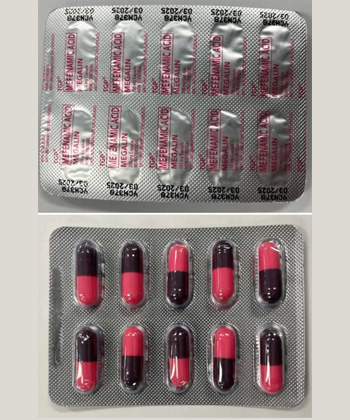
Ponstan
- Available in pharmacies but rules vary: ponstan (mefenamic acid) is prescription-only in most jurisdictions (including Canada, the US and EU), though in some countries and some pharmacies it may be sold without a prescription—check your local pharmacy and regulations.
- Ponstan is used for acute mild-to-moderate pain and primary dysmenorrhea; it is a nonsteroidal anti-inflammatory drug (NSAID) that inhibits cyclooxygenase (COX) enzymes, reducing prostaglandin synthesis and inflammation.
- Usual adult dose: 500 mg initial dose, then 250 mg every 6 hours as needed (not generally recommended for children under 14); treatment ordinarily up to 1 week for acute pain and 2–3 days for dysmenorrhea.
- Administered orally as capsules or tablets (commonly 250 mg and 500 mg) and as oral suspension formulations where available for paediatric use.
- Onset of effect is typically within 30–60 minutes after an oral dose.
- Duration of pain relief is usually about 6 hours, which is why doses are commonly given every 6 hours as needed.
- Avoid alcohol while taking ponstan, as alcohol can increase the risk of gastrointestinal bleeding and may worsen drowsiness or dizziness.
- The most common side effect is stomach pain (dyspepsia).
- Would you like to try ponstan without a prescription?
Basic Ponstan Information
- INN (International Nonproprietary Name): Mefenamic acid
- Brand Names Available In Canada (English): not specified
- ATC Code: M01AG01
- Forms & Dosages: Capsules 250 mg; Tablets 250 mg and 500 mg; Oral suspension 50 mg/5 ml and 100 mg/5 ml (availability varies by market)
- Manufacturers In Canada (English): not specified
- Registration Status In Canada (English): not specified
- OTC / Rx Classification: Prescription-only (Rx) in most jurisdictions; some OTC availability in select Asian markets depending on formulation and country regulations
Critical Warnings & Restrictions In Canada
Safety matters first when considering mefenamic acid for pain relief or menstrual cramps.
Do not start or continue mefenamic acid if you have a known allergy to mefenamic acid, NSAIDs, or salicylates, or any history of allergic reactions to these medicines.
Active peptic ulcer disease, current gastrointestinal bleeding, or chronic inflammatory GI conditions are absolute contraindications to using mefenamic acid.
Avoid mefenamic acid in severe renal impairment or severe hepatic impairment.
Do not use mefenamic acid for peri-operative pain in the setting of coronary artery bypass graft (CABG) surgery.
Seek immediate medical attention for signs of anaphylaxis, such as difficulty breathing, throat tightness, or swelling of the face or tongue.
Also seek urgent care for severe abdominal pain, black or tarry stools, sudden breathlessness, or yellowing of the skin or eyes.
High-Risk Groups
Elderly patients have a higher risk of gastrointestinal and cardiovascular adverse effects and often need lower doses or an alternative NSAID.
Pregnant people should avoid mefenamic acid, particularly in the third trimester, and consult obstetrical care for safer options.
When Indigenous patients are involved, culturally safe care and involvement of community or Indigenous health services is recommended where appropriate.
Use this brief safety screening checklist before dispensing or prescribing:
- Allergies to NSAIDs or salicylates.
- Pregnancy or breastfeeding status.
- Relevant comorbidities such as heart, kidney, or liver disease.
- Concurrent medications that increase bleeding or renal risk.
- Recent or active gastrointestinal ulcers or bleeding.
Interaction With Activities
Mefenamic acid can cause dizziness, drowsiness, or blurred vision in some people.
Assess fitness for driving, operating machinery, or performing safety-sensitive workplace duties before allowing return to those tasks.
Follow provincial workplace safety guidelines when advising employees with safety-sensitive roles.
Q&A — Can I Drive After Taking It In Canada?
If you feel drowsy, dizzy, or light-headed after taking mefenamic acid, do not drive or operate machinery.
Check with your pharmacist and employer if your role includes safety-sensitive duties before returning to work.
Usage Basics For Canadians
INN, Brand Names Available In Canada
The International Nonproprietary Name is mefenamic acid.
Ponstel was the branded name used in the United States, but that brand has been discontinued in some markets.
Generic mefenamic acid products are available internationally in 250 mg and 500 mg strengths depending on the market.
In Canada, availability can vary and a valid prescription plus a product with a DIN is typically required for dispensing.
Legal Classification Under Health Canada
Mefenamic acid is generally prescription-only in most jurisdictions according to available regulatory precedent.
Canadian products require a valid prescription and a Drug Identification Number (DIN) to be dispensed legally when marketed in Canada.
Coverage under provincial formularies such as Ontario Drug Benefit, BC PharmaCare, or RAMQ varies by product and DIN.
| Form / Strength | Typical Use |
|---|---|
| 250 mg capsules/tablets | Adults and adolescents for acute mild-to-moderate pain |
| 500 mg tablets (international) | Initial loading dose for acute pain or dysmenorrhea in adults/adolescents |
Always verify the Health Canada monograph and local pharmacy stock before advising patients on availability.
Canadian Dosing Guide
Standard Regimens
Typical dosing for adults and adolescents aged 14 years and older starts with an initial 500 mg dose followed by 250 mg every six hours as needed for acute mild-to-moderate pain.
For primary dysmenorrhea, begin at the onset of menses with 500 mg then 250 mg every six hours as required for pain control.
Do not exceed the recommended duration; acute pain courses generally run up to one week and dysmenorrhea courses typically last two to three days per period.
| Indication | Loading Dose | Maintenance | Max Duration |
|---|---|---|---|
| Acute mild-to-moderate pain | 500 mg | 250 mg every 6 hours as needed | Up to 1 week |
| Primary dysmenorrhea | 500 mg at onset | 250 mg every 6 hours as needed | 2–3 days per menstrual period |
Adjustments For Comorbidities
Avoid mefenamic acid in severe renal impairment and use caution or choose an alternative in mild-to-moderate renal disease.
Monitor liver function and avoid in severe hepatic impairment.
Reduce dose or choose alternatives for elderly patients because of increased GI and cardiovascular risk.
Prescriber checklist before starting:
- Baseline renal and liver function tests.
- Check blood pressure and cardiovascular history.
- Review concurrent anticoagulants or antiplatelet agents.
- Assess history of GI ulcers or bleeding.
Q&A — What If I Miss A Dose Under My Provincial Drug Plan?
If a dose is missed, take it as soon as remembered unless the next scheduled dose is close, and never double doses to make up for missed pills.
If access issues or coverage timing cause you to run out, contact your pharmacist for an emergency supply or speak with your provincial drug plan about bridging or refill options.
Interaction Chart (Canadian Context)
Food And Drinks
Alcohol increases the risk of gastrointestinal bleeding when combined with NSAIDs like mefenamic acid.
Limit alcohol while taking mefenamic acid and take the medication with food to reduce stomach upset.
Caffeine in coffee has no major direct pharmacokinetic interaction but may increase gastric discomfort for some people.
Common Drug Conflicts
NSAIDs increase bleeding risk when combined with anticoagulants and antiplatelet drugs such as warfarin, apixaban, rivaroxaban, or aspirin.
SSRIs and SNRIs can add to bleeding risk when used alongside mefenamic acid.
ACE inhibitors, ARBs, and diuretics may have reduced effectiveness or increased risk of renal impairment in combination with NSAIDs.
Lithium and methotrexate levels can rise with NSAID coadministration and should be monitored.
| Interacting Drug Class | Risk | Recommended Action |
|---|---|---|
| Anticoagulants / Antiplatelets | Increased bleeding risk | Monitor INR/bleeding, avoid if possible |
| SSRIs / SNRIs | Increased gastrointestinal bleeding | Monitor for bleeding, counsel patient |
| ACE Inhibitors / ARBs / Diuretics | Reduced renal function or loss of antihypertensive effect | Monitor renal function and BP |
| Lithium / Methotrexate | Increased drug levels/toxicity | Monitor serum levels, consider alternatives |
Always verify interactions with a pharmacist and consult Health Canada safety bulletins for updates.
User Reports & Trends In Canada
Canadian Patient Forums And Review Platforms
Reports from patient forums commonly praise mefenamic acid for effective relief of menstrual cramps and short episodes of acute pain.
Frequent complaints include gastrointestinal upset such as nausea or dyspepsia, along with dizziness and occasional rash.
Rely on regulated health sources for safety guidance rather than anecdotal forum posts when deciding on treatment.
Community Pharmacy Feedback
Community pharmacists report limited stocking and variable availability of mefenamic acid in Canadian pharmacies.
Many pharmacists favour more commonly stocked NSAIDs like ibuprofen or naproxen because of wider formulary support and familiarity.
Pharmacists routinely counsel patients to take mefenamic acid with food to reduce stomach irritation and review interactions before dispensing.
Report suspected adverse reactions to Health Canada’s Canada Vigilance Program.
- Record of symptoms and dates.
- Product name, DIN if available, batch number, prescriber and dispensing pharmacy.
Access & Purchase Options
National Pharmacy Chains
Major chains such as Shoppers Drug Mart, Rexall, London Drugs, and Jean Coutu require a prescription for prescription-only NSAIDs and stock depends on wholesalers and importers.
Call ahead or check online stock to confirm availability at your preferred branch.
Online Pharmacies In Canada & Provincial Restrictions
Licensed Canadian online pharmacies can dispense prescription products and must show provincial college licensure or CPhA accreditation where applicable.
Importation by individuals is regulated, so obtaining a domestic prescription dispensation is recommended for clarity and safety.
In our online pharmacy, ponstan is available without a prescription, with discreet delivery to Canada (English) in 5-14 days.
Safe purchasing checklist:
- Valid prescription when required by law.
- Verify DIN on packaging and confirm bilingual labelling rules if shipping to Quebec.
- Check provincial formulary coverage and ask the pharmacist about generic alternatives and cost-saving options.
- Confirm lot and expiry information before accepting delivery.
Mechanism & Pharmacology
Simplified Explanation
Mefenamic acid belongs to the fenamate class of NSAIDs and works by inhibiting cyclooxygenase enzymes to reduce prostaglandin synthesis.
Lower prostaglandin levels lead to decreased pain and inflammation, which explains its use in dysmenorrhea and acute pain.
Onset of analgesic effect typically occurs within 30 to 60 minutes after oral administration.
Taking the medication with food helps reduce stomach upset and dyspepsia.
- Class → Fenamate
- ATC Code → M01AG01
- Primary Action → COX inhibition and reduced prostaglandin synthesis
Clinical Terms
Typical adult oral doses are 250–500 mg with dosing intervals commonly every six hours when needed.
Mefenamic acid is not recommended for children under 14 years due to limited safety data.
Avoid use or monitor closely in patients with severe renal or hepatic impairment.
Consider giving patients a simple handout infographic showing mechanism, onset, peak effect, and common side effects for quick reference.
Indications & Off-Label Uses In Canada
Approved Indications
Internationally, mefenamic acid is commonly referenced for acute mild-to-moderate pain and primary dysmenorrhea.
Canadian approval and exact indications depend on the product DIN and Health Canada product monograph where available.
Typical dysmenorrhea and acute-pain regimens are 500 mg initially followed by 250 mg every six hours as required.
Common Off-Label Practices
Some Canadian prescribers may use mefenamic acid off-label for short-term postoperative dental pain or other acute pain scenarios where first-line NSAIDs are unsuitable.
Off-label prescribing should follow documented informed consent and a clear monitoring plan.
- Indicated Uses: Acute pain, primary dysmenorrhea (check local product labelling).
- Off-Label Uses: Short-term postoperative dental pain or select acute pain when alternatives are not suitable.
Key Clinical Findings
Canadian And International Studies 2022–2025
Recent literature up to 2024 underlines mefenamic acid’s efficacy for dysmenorrhea and short-term acute pain in small trials.
Safety concerns mirror other NSAIDs, with gastrointestinal and renal adverse events the most prominent signals.
Clinicians should consult systematic reviews and provincial guidance for the latest evidence and prescribing recommendations.
- Efficacy: Effective versus placebo for dysmenorrhea in multiple small trials.
- Safety: GI and renal risks comparable to other NSAIDs; weigh benefits against risks.
Ongoing Health Canada Safety Monitoring
Health Canada collects adverse events via Canada Vigilance and may issue safety communications or labelling updates as required.
Both clinicians and patients should report suspected adverse drug reactions to support ongoing monitoring.
Alternatives Matrix
Comparable Medicines With DIN In Canada
| Drug | Typical Adult Dose | Pros | Cons |
|---|---|---|---|
| Ibuprofen | 200–400 mg every 4–6 hours | Widely available, familiar dosing | GI and renal risk similar to NSAIDs |
| Naproxen | 220–500 mg every 8–12 hours | Longer duration of action | GI and cardiovascular considerations |
| Diclofenac | 50 mg two to three times daily | Effective for inflammatory pain | Cardiovascular and hepatic monitoring advised |
| Paracetamol (Acetaminophen) | 500–1000 mg every 4–6 hours | Fewer GI effects | Limited anti-inflammatory effect; hepatic risk in overdose |
Pros And Cons Checklist
- Pros: Effective for dysmenorrhea and some acute pain episodes for many patients.
- Cons: Gastrointestinal, renal, and cardiovascular risks; limited paediatric data for children under 14 years; variable availability in Canada.
- Decision Factors: Condition being treated, comorbidities, concurrent medications, age, pregnancy status, formulary coverage, and patient preference.
Encourage shared decision-making with the prescriber or pharmacist and consult provincial formularies when selecting alternatives.
Common Questions From Canadian Patients
- Q: Is mefenamic acid available without a prescription in Canada?
- A: Generally no; mefenamic acid is prescription-only in most jurisdictions; check with your local pharmacy for availability.
- Q: Can I take it with my blood pressure tablet?
- A: Caution is needed because NSAIDs can blunt the effect of ACE inhibitors or ARBs and affect renal function; consult your prescriber or pharmacist.
- Q: What if I am breastfeeding?
- A: Discuss with your clinician; some NSAIDs are used with caution during breastfeeding and risks and benefits should be weighed.
- Q: How long can I safely take it?
- A: Short-term use is recommended; acute pain up to one week and dysmenorrhea for two to three days per period unless advised otherwise by a prescriber.
- Q: Where to report side effects?
- A: Report suspected adverse reactions to Canada Vigilance and inform your prescriber or pharmacist.
Urgent red-flag symptoms that require immediate care include severe abdominal pain, black stools, difficulty breathing, fainting, yellowing of skin or eyes, or a sudden decrease in urine output.
Coverage & Purchase Comparison Table
Coverage for mefenamic acid varies by product DIN and provincial plan.
| Province / Plan | Coverage Status | Typical Patient Cost | Notes |
|---|---|---|---|
| Ontario (ODB) | Varies by DIN | Out-of-pocket if not listed | Prior authorization may be required for some products |
| British Columbia (PharmaCare) | Varies by DIN | Out-of-pocket if not covered | Check PharmaCare Special Authority if needed |
| Quebec (RAMQ) | Varies by DIN | Out-of-pocket if not listed | Ensure French labelling when shipping to Quebec |
| Alberta | Varies by product | Out-of-pocket if not covered | Private insurance may reimburse |
Step-By-Step Purchase Checklist For Canadian Patients
- Obtain a valid prescription from your prescriber noting indication and duration.
- Check your provincial formulary or private insurer for coverage details.
- Contact a local or licensed online pharmacy to confirm stock and price.
- Request the DIN and confirm packaging and expiry.
- Ask the pharmacist about generic options, counselling on administration and interactions, and emergency supply procedures.
Registration & Regulation
Health Canada Approval
Products containing mefenamic acid must hold a Health Canada drug submission and carry a Drug Identification Number (DIN) to be marketed legally in Canada.
Labelled indications, dosing, contraindications, and storage instructions follow the approved product monograph and the Food and Drugs Act.
DIN Number And Labelling Requirements
The DIN must appear on packaging where the product is authorized for sale in Canada.
Labelling must meet bilingual requirements where applicable and include indication, dosage instructions, contraindications, lot number, expiry date, and manufacturer or importer details.
- Pharmacist/importer checklist: confirm DIN, verify English/French labelling if shipping to Quebec, ensure lot traceability, and maintain adverse-event reporting procedures.
Clinicians and patients should verify Health Canada’s database and provincial drug lists for current authorizations and any safety communications.
Storage & Handling
Standard Canadian Household Conditions
Store mefenamic acid at controlled room temperature between 20–25°C (68–77°F) and protect it from moisture and heat.
Keep the medication in its original container with a child-resistant cap and out of reach of children.
Avoid storing medications in bathrooms due to humidity and temperature swings.
| Do | Don't |
|---|---|
| Store at 20–25°C in original packaging | Store in bathroom or near heat sources |
| Keep out of reach of children | Use beyond expiry date |
Cold-Chain Requirements
Oral mefenamic acid preparations do not require cold-chain storage.
If using a suspension product originating from markets with specific instructions, follow the manufacturer label for storage guidance.
Travel advice: carry medicine in labelled container with your prescription and be aware of provincial and international rules when travelling with prescription medicines.
Guidelines For Proper Use
Canadian Pharmacist Guidance
Perform a medication-use review before dispensing mefenamic acid and confirm indication, dosing, allergies, pregnancy and breastfeeding status, renal and hepatic function, and concomitant medications.
Counsel patients to take mefenamic acid with food and to watch for signs of serious adverse effects such as GI bleeding or breathing difficulties.
Provide a counselling checklist that includes baseline labs to consider and monitoring frequency.
Provincial Health Authority Recommendations
Follow provincial clinical practice recommendations and formulary guidance regarding NSAID selection and special population policies.
Coordinate care with primary care, obstetrics/gynecology for dysmenorrhea, and Indigenous health services where culturally appropriate.
Red flags that require immediate medical attention include severe abdominal pain, black stools, breathing difficulties, sudden swelling, persistent vomiting, yellowing of skin or eyes, or a sudden decrease in urine output.
Delivery Across Canada (English)
| City | Region | Delivery time |
|---|---|---|
| Toronto | Ontario | 5-7 days |
| Montreal | Quebec | 5-7 days |
| Vancouver | British Columbia | 5-7 days |
| Calgary | Alberta | 5-7 days |
| Edmonton | Alberta | 5-7 days |
| Ottawa | Ontario | 5-7 days |
| Winnipeg | Manitoba | 5-9 days |
| Halifax | Nova Scotia | 5-9 days |
| St. John’s | Newfoundland and Labrador | 5-9 days |
| Saskatoon | Saskatchewan | 5-9 days |
| Victoria | British Columbia | 5-9 days |
| London | Ontario | 5-7 days |
| Quebec City | Quebec | 5-7 days |
| Kelowna | British Columbia | 5-9 days |