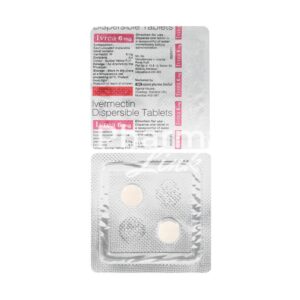
Zithromax

In brief
- In Canada, Zithromax (azithromycin) is a prescription-only antibiotic and is commonly purchased through pharmacies with a valid prescription; tablets and oral suspension are the main available forms. Some online sources may offer it, but it should be used only under medical supervision.
- Zithromax is used to treat certain bacterial infections, including pneumonia, sinusitis, skin and soft tissue infections, strep throat, otitis media, and some sexually transmitted infections. It works by inhibiting bacterial protein synthesis through binding to the 50S ribosomal subunit, which stops bacteria from growing.
- The usual dose depends on the infection: for many adult infections, 500 mg on day 1 followed by 250 mg daily for 4 days; for some infections, 500 mg daily for 3 days; and for certain STIs, a single 1,000 mg dose. Children are dosed by weight.
- Zithromax is available as film-coated tablets, oral suspension, and in hospital settings as IV powder. It is taken by mouth for most uses, and the IV form is used in hospital care.
- Zithromax usually starts working within a few hours, but symptom improvement is often noticed after 1–2 days of treatment.
- The duration of action is long, allowing once-daily dosing and short treatment courses of about 3–5 days for most infections; some uses may require a single dose or longer preventive regimens.
- Alcohol is not known to cause a direct interaction with Zithromax, but it is best to avoid or limit alcohol because it can worsen stomach upset and may slow recovery.
- The most common side effects are diarrhoea, nausea, abdominal pain, vomiting, headache, dizziness, and sometimes a mild skin rash.
- Would you like to try Zithromax without a prescription?
Critical Safety Warnings And Patient Protection In Canada
Zithromax is azithromycin, a prescription-only macrolide antibiotic used worldwide, including Canada, and it should only be taken with a valid prescription from a licensed prescriber.
That matters because the wrong antibiotic, the wrong dose, or the wrong reason for treatment can delay proper care and contribute to antibiotic resistance.
Azithromycin should not be used for viral illnesses like colds, influenza, or most sore throats, and it should never be shared with family members or kept for “just in case” use.
Known azithromycin allergy, allergy to other macrolides or ketolides, a history of cholestatic jaundice or liver dysfunction caused by azithromycin, and severe liver disease are absolute reasons not to take it.
It also needs caution in people with QT prolongation risk, low potassium or magnesium, myasthenia gravis, renal impairment, and anyone taking other QT-prolonging medicines.
Get urgent medical help for fainting, palpitations, trouble breathing, severe rash, yellowing of the skin or eyes, severe vomiting or diarrhoea, or overdose symptoms such as hearing loss.
High-Risk Groups In Canada
Older adults, pregnant or breastfeeding patients, people with kidney or liver disease, and patients on multiple medicines need extra review before starting zithromax.
- Who should contact a pharmacist or doctor before taking Zithromax?
- People with severe liver disease or past jaundice from azithromycin.
- People with kidney impairment, especially severe renal dysfunction.
- People with heart rhythm concerns, electrolyte disturbances, or QT-risk medicines.
- People with myasthenia gravis.
- Pregnant or breastfeeding patients.
- Older adults taking several prescriptions or over-the-counter products.
Daily Activities And Workplace Safety
If dizziness, drowsiness, taste changes, or vision changes occur, pause and assess before driving or working with tools.
In Canadian workplaces, that means being cautious around machinery, ladders, and tasks that need quick reactions or clear balance.
Can I Drive After Taking It In Canada?
Yes, if you feel well, but if you notice dizziness, drowsiness, or other side effects, wait until you are sure it is safe.
Basic Zithromax Information
- INN (International Nonproprietary Name): Azithromycin.
- Brand names available in Canada (English): Zithromax; generic products may be listed as Azithromycin Sandoz, Azitro, Azitrox, or Azith®.
- ATC Code: J01FA10.
- Forms & dosages: Tablets 250 mg and 500 mg; oral suspension 100 mg/5 mL and 200 mg/5 mL.
- Manufacturers in Canada (English): Pfizer originator products and generic suppliers such as Sandoz, Teva, Mylan, Krka, and Lupin may appear through Canadian dispensing channels.
- Registration status in Canada (English): Approved as a prescription drug.
- OTC / Rx classification: Prescription-only worldwide.
Inn, Brand Names, And Packaging In Canada
Patients may see zithromax on the box, azithromycin on the prescription label, and a generic name on the receipt or pharmacist’s notes.
In some Canadian pharmacy settings, labels and patient leaflets may be bilingual, depending on the province or the dispensing environment.
- INN
- International Nonproprietary Name used for the medicine itself.
- ATC code
- International classification code for azithromycin: J01FA10.
- Generic medicine
- A non-brand product with the same active ingredient and strength.
Prescription Status Under Health Canada
Zithromax is not an over-the-counter antibiotic in Canada.
It is identified and dispensed in Canada through normal pharmacy systems, including products that carry a DIN.
Patients may encounter it at large chains such as Shoppers Drug Mart, Rexall, Jean Coutu, and London Drugs, as well as independent pharmacies.
Canadian Dosing Guide And Common Regimens
People often ask how long zithromax is taken and why the dose changes by infection type.
The answer is simple: the prescriber chooses the regimen based on the diagnosis, age, weight, and local resistance patterns.
Most acute courses last 3 to 5 days, while some sexually transmitted infection regimens are single-dose.
Children are dosed by weight, and not all indications are appropriate for every age group.
Standard Regimens Used In Practice
| Indication | Adult Dose | Paediatric Dose | Typical Duration |
|---|---|---|---|
| Community-acquired pneumonia | 500 mg on day 1, then 250 mg daily for 4 days | 10 mg/kg on day 1, then 5 mg/kg daily for 4 days | 5 days |
| Acute bacterial sinusitis | 500 mg daily for 3 days | Not standard | 3 days |
| Uncomplicated skin or soft tissue infection | 500 mg on day 1, then 250 mg daily for 4 days | Variable, often 10 mg/kg/day | 5 days |
| Urethritis or cervicitis | 1,000 mg by mouth as a single dose | Not indicated | Single dose |
| Otitis media in children | N/A | 10 mg/kg/day for 3 days or 10 mg/kg for 1 day | 1 to 3 days |
| Pharyngitis or tonsillitis | 500 mg on day 1, then 250 mg daily for 4 days | As above if older than 2 years | 5 days |
Adjustments For Common Comorbidities In Canada
Older adults usually do not need a routine dose change unless kidney or liver function is severely impaired.
Mild to moderate renal impairment does not usually require adjustment, but severe renal dysfunction needs special caution.
In severe liver disease, azithromycin should be avoided because accumulation can raise risk.
What If I Miss A Dose Under My Provincial Drug Plan?
Take it as soon as you remember unless it is close to the next dose, and do not double up.
Food, Alcohol, And Drug Interaction Chart For Canadians
Food often affects tolerability more than efficacy, so follow the label or your pharmacist’s directions for the specific product.
Some patients do better taking zithromax with a meal if nausea is an issue, while others follow a stricter schedule for absorption or convenience.
Alcohol is not always a direct interaction, but it can worsen stomach upset, dehydration, and missed doses.
Food, Coffee, And Alcohol
- Okay: Water, light meals, and the schedule printed on the prescription label.
- Caution: Coffee or alcohol if they worsen nausea, reflux, or dehydration.
- Avoid until confirmed by a pharmacist: Anything that makes you feel dizzy, sick, or unable to keep doses down.
Common Drug Conflicts And Red Flags
The biggest concern is combining azithromycin with other QT-prolonging medicines, including some antiarrhythmics, antipsychotics, and other macrolides or ketolides.
That is especially important in older adults with polypharmacy, low potassium or magnesium, or a history of rhythm problems.
Azithromycin also will not help viral or fungal infections, so it should not be used as a catch-all for every respiratory illness.
Serious adverse effects can be reported through Canadian medication safety channels, and pharmacists regularly review interaction risks when a prescription is filled.
User Reports, Tolerability, And Real-World Trends In Canada
Most Canadian patients asking about zithromax want to know whether the side effects are manageable.
For many people, the main issue is gastrointestinal upset, especially diarrhoea.
Other commonly reported effects include nausea, abdominal pain, vomiting, headache, dizziness, taste changes, and a mild rash.
What Canadian Patients Commonly Report
These symptoms are often temporary, and simple measures like hydration and small meals can help when the stomach is irritated.
Severe or persistent symptoms should not be brushed off, particularly if there is dehydration, yellowing of the skin, or a rash that spreads quickly.
Community Pharmacy Feedback
Pharmacists often remind patients to take the medicine exactly as prescribed, finish the full course, and call early if side effects get worse.
- Side effects to monitor at home: mild diarrhoea, mild nausea, headache, taste change, and a small rash.
- Urgent symptoms: breathing trouble, fainting, palpitations, severe diarrhoea, jaundice, or severe allergic reaction.
Access, Purchase, And Dispensing Options In Canada
Canadians usually get zithromax through an in-store prescription fill or through a legitimate Canadian online pharmacy that verifies the prescription.
That is how products such as Zithromax Canada, azithromycin tablets, and oral suspension are handled in normal practice.
Pharmacists may substitute a generic if appropriate and permitted, and partial fills can happen if stock is limited.
In-Store Dispensing
Shoppers Drug Mart, Rexall, Jean Coutu, London Drugs, and independents all dispense azithromycin when a valid prescription is presented.
Before pickup, the pharmacy may confirm the DIN, dose, quantity, and whether the oral suspension needs reconstitution.
Online Pharmacies And Provincial Restrictions
Legitimate Canadian online pharmacies require a valid prescription and operate under pharmacy licensure rules.
Be cautious with websites promising to sell “buy Zithromax 500 mg online” without a prescription, because those sites may not meet Canadian standards.
In our online pharmacy, zithromax is available without a prescription, with discreet delivery to Canada (English) in 5-14 days.
| Option | Prescription Requirement | Delivery Speed | Risk |
|---|---|---|---|
| In-store pharmacy | Yes | Usually same day once filled | Low when dispensed legally |
| Legitimate online pharmacy | Yes | Varies by province and shipping | Low when licensed |
| Unverified website | Often no | Unclear | High |
Can I Order Azithromycin Online In Canada Without A Prescription?
No.
Only lawful pharmacies with proper prescribing and dispensing controls can supply it, and a valid prescription is required in Canada.
Mechanism Of Action And Pharmacology
Azithromycin is a macrolide antibacterial, classified as ATC J01FA10.
It works by blocking bacterial protein production so susceptible bacteria stop growing.
That is why zithromax can help with certain bacterial infections, but not viruses or fungi.
Patient-Friendly Explanation
Think of it as a medicine that interrupts the bacteria’s ability to make the proteins they need to multiply.
When the infection is caused by a susceptible bacterium, that can help the body clear the illness more effectively.
Clinical Terms To Know
- Bacteriostatic
- A medicine that slows bacterial growth rather than directly killing every organism.
- Spectrum
- The range of bacteria a medicine can work against.
- Resistance
- When bacteria become less responsive to the antibiotic over time.
Azithromycin is on the World Health Organization List of Essential Medicines and is used in tablets, oral suspension, and hospital IV powder.
Indications And Common Uses In Canadian Practice
In Canada, zithromax is prescribed for infections where azithromycin is an appropriate match for the diagnosis.
Common uses include community-acquired pneumonia, sinusitis, skin and soft tissue infections, urethritis or cervicitis, otitis media, and pharyngitis or tonsillitis.
Prescriptions should reflect the infection being treated and local resistance patterns, not just convenience.
Approved And Commonly Prescribed Indications
Adults and children may both receive azithromycin, but the dose and the indication must be appropriate for age and weight.
For example, zithromax for pneumonia in elderly patients is sometimes used when the prescriber considers it clinically suitable, but kidney, liver, and heart-risk factors must be reviewed first.
Off-Label And Less Common Use
- May be considered in special prophylaxis or unusual situations under specialist direction.
- Was discussed during the early COVID-19 period, but it is not routinely recommended now for viral illness.
- Should not be used when the illness is clearly viral or fungal.
Key Clinical Findings And Safety Monitoring
When zithromax is used for a susceptible bacterial infection, outcomes depend on the diagnosis, adherence, and local resistance.
Overuse can reduce usefulness over time, which is why pharmacists keep reminding patients to avoid unnecessary antibiotic courses.
What The Evidence Generally Shows
Azithromycin can be effective when it is matched to the right infection and taken as directed.
For that reason, a short course such as a Z-Pak should not be borrowed, repeated, or shortened on a patient’s own decision.
Canadian And International Safety Watchpoints
| Type | Examples | Action |
|---|---|---|
| Common | Diarrhoea, nausea, abdominal pain, vomiting, headache | Monitor at home if mild |
| Less common | Dizziness, taste change, mild rash | Call a pharmacist if bothersome |
| Urgent | QT symptoms, severe rash, jaundice, severe diarrhoea, hearing changes, overdose signs | Seek urgent care |
There is no specific antidote for overdose, so supportive care is used and medical help should be sought immediately if too much is taken.
Alternatives Matrix: What Else Canadians May Be Prescribed
Sometimes another antibiotic fits the infection better, or the patient has a medicine interaction that makes azithromycin a poor choice.
That is why pharmacists compare the whole picture rather than assuming one antibiotic is always interchangeable.
Comparable Medicines With Canadian DINs
| Alternative | Typical Advantage | Main Limitation | Pharmacist Note |
|---|---|---|---|
| Clarithromycin | Another macrolide option | Interaction burden | Review medicine list carefully |
| Erythromycin | Established option for some uses | GI side effects and interactions | Often less convenient |
| Amoxicillin/clavulanate | Useful for some respiratory and skin infections | Not a macrolide | Different allergy profile |
| Levofloxacin | Broad coverage in selected cases | Safety and stewardship concerns | Usually reserved |
| Doxycycline | Useful in some infections and easy oral dosing | Not suitable for every patient | Check pregnancy and intolerance |
Convenience matters, but so do GI side effects, interactions, resistance concerns, and age-appropriate use.
Common Questions From Canadian Patients
People often want quick, plain-language answers before they head to the pharmacy counter.
That is normal, especially when the prescription is for a child or for a short course that needs to start right away.
Is Zithromax The Same As Azithromycin?
Yes.
Zithromax is the brand name, and azithromycin is the INN or generic name.
Can I Stop It Once I Feel Better?
Take it exactly as prescribed unless your prescriber tells you to stop.
Stopping early can make treatment less effective and may contribute to resistance.
- Questions to ask your pharmacist: what time to take each dose, whether to take it with food, what side effects to watch for, and when to seek help.
Coverage, Cost, And Provincial Access Comparison
Coverage for zithromax in Canada depends on the provincial plan, formulary rules, age, income, diagnosis, and whether prior authorization is required.
That means Ontario Drug Benefit, BC PharmaCare, and RAMQ can all handle the same medicine differently.
Coverage Comparison By Province Or Plan
| Province Or Plan | Brand Or Generic Coverage | Typical Patient Cost | Dispensing Notes |
|---|---|---|---|
| Ontario Drug Benefit | Depends on formulary and indication | Varies by eligibility | May allow generic substitution |
| BC PharmaCare | Depends on plan coverage | Varies by coverage level | Check special authority where needed |
| RAMQ | Depends on coverage rules | Varies by eligible group | Prescription and formulary checks apply |
| Private insurance | Often covers generic first | Plan dependent | May require preferred pharmacy network |
Step-By-Step Purchase Checklist
- Bring a valid prescription and your drug card.
- Ask whether a generic substitution is available.
- Confirm stock for tablets or oral suspension.
- Ask if the suspension will be reconstituted in the pharmacy.
- Check whether bilingual packaging or patient information is provided.
Delivery Across Canada (English)
| City | Region | Delivery Time |
|---|---|---|
| Toronto | Ontario | 5-7 days |
| Ottawa | Ontario | 5-7 days |
| Mississauga | Ontario | 5-7 days |
| Hamilton | Ontario | 5-7 days |
| Vancouver | British Columbia | 5-7 days |
| Victoria | British Columbia | 5-7 days |
| Calgary | Alberta | 5-7 days |
| Edmonton | Alberta | 5-7 days |
| Winnipeg | Manitoba | 5-7 days |
| Quebec City | Quebec | 5-7 days |
| Montreal | Quebec | 5-7 days |
| Halifax | Nova Scotia | 5-7 days |
| Saskatoon | Saskatchewan | 5-9 days |
| St. John’s | Newfoundland and Labrador | 5-9 days |
| Charlottetown | Prince Edward Island | 5-9 days |
Registration, DIN, And Labelling Requirements In Canada
Health Canada-authorized products must be identifiable and dispensed correctly, which is where the DIN becomes useful.
The DIN helps identify the strength, product, and manufacturer for the specific azithromycin item being sold.
Health Canada Approval Basics
Prescription azithromycin products are reviewed before they are marketed, and the approval status is reflected in pharmacy systems.
That is why patients may see the brand name, generic name, and DIN on the label or receipt.
Labelling Expectations
- DIN
- Drug Identification Number used in Canada.
- Monograph
- Official product information used for safe prescribing and dispensing.
- Labelled strength
- The amount of active ingredient printed on the package, such as 250 mg or 500 mg.
Good labelling should include the drug name, strength, lot number, expiry date, directions, and key cautions.
Storage, Transport, And Handling At Home
Zithromax tablets and suspension are generally stored at room temperature between 15 and 30 degrees Celsius.
Oral suspension may need refrigeration after mixing, so the label should always be checked before the bottle goes in the fridge.
Household Storage
Keep the medicine away from moisture, light, children, and pets.
Do not use it after the expiry date, and do not assume a leftover bottle from a previous illness is still appropriate.
Travel And Transport
- Keep it in the original container when travelling in Canada or abroad.
- Avoid storing it in the bathroom because of humidity.
- Check the label for suspension instructions after mixing.
Proper Use Guidance From Canadian Pharmacists
Pharmacists usually focus on three things with zithromax: take it correctly, finish it safely, and know when to ask for help.
Taking the dose at the same time each day makes it easier to remember, especially on a short 5-day course.
Don’t share the medicine, and don’t save leftover tablets for a viral sore throat later on.
Pharmacist Counselling Essentials
Use the full course unless the prescriber changes the plan.
That helps avoid treatment failure and reduces the chance of resistance.
When To Seek Help
- Call a pharmacist now: mild diarrhoea, mild nausea, headache, taste changes, or questions about timing.
- Seek urgent care: severe rash, trouble breathing, fainting, palpitations, severe diarrhoea, or jaundice.
- Call Poison Centre or urgent services: overdose symptoms such as severe vomiting, hearing loss, or accidental extra dosing.
What Should I Do If I Vomit After A Dose?
Contact a pharmacist.
Whether the dose should be repeated depends on how soon the vomiting happened and on the product instructions.