
Latisse
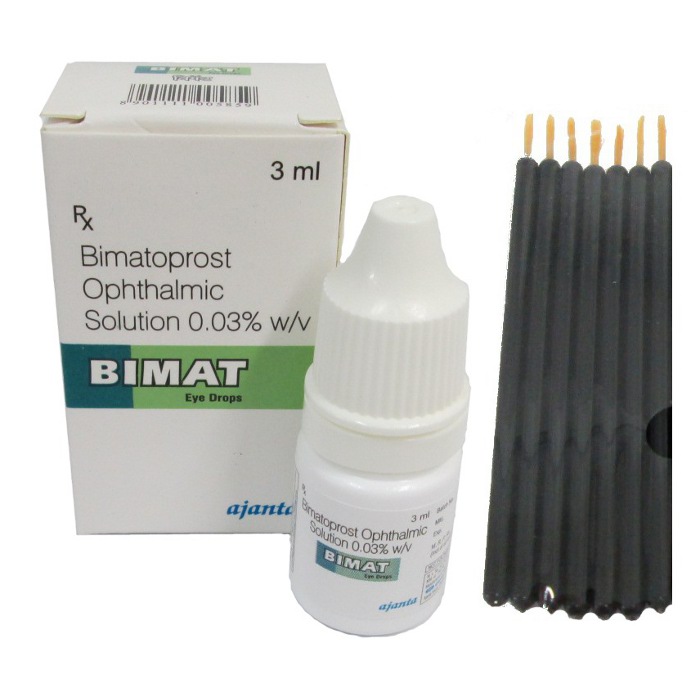
Latisse
- In many pharmacies and online e‑pharmacies (USA, Canada, EU) Latisse (bimatoprost 0.03% ophthalmic solution) is available; it is officially a prescription (Rx) medicine, though some sellers and cosmetic‑market formulations or bundled products with applicators are offered without a prescription—check local regulations and the retailer’s terms.
- Latisse is used to treat eyelash hypotrichosis (and bimatoprost in other formulations is used for glaucoma/ocular hypertension). It is a prostaglandin analogue (bimatoprost) that stimulates hair growth by prolonging the anagen (growth) phase of hair follicles and, when used as eyedrops for glaucoma, lowers intraocular pressure by increasing uveoscleral outflow.
- Usual dosage for eyelash growth: apply once nightly to the upper eyelid margin using a sterile single‑use applicator (typically 0.03% solution, one drop on the applicator per eye). For glaucoma/ocular hypertension the usual dose is one drop into the affected eye(s) once daily.
- Form of administration: topical ophthalmic solution — applied to the upper eyelid margin with sterile single‑use applicators for lashes or instilled as an eye drop for glaucoma; products are supplied in small bottles (3 mL or 5 mL) with disposable applicators.
- Onset time: eyelash effects typically begin to appear after about 4 weeks with optimal results by ~16 weeks; for intraocular pressure lowering some effect can be seen within hours with maximal glaucoma response over days to weeks.
- Duration of action: eyelash improvements are maintained only with continued use (lashes gradually return to baseline after stopping); IOP‑lowering effect from a single dose generally lasts about 24 hours, so glaucoma treatment is usually once daily and long‑term.
- Alcohol warning: there is no specific prohibition against moderate alcohol use with topical bimatoprost, but avoid excessive alcohol if it increases eye irritation or impairs your ability to follow safe administration; follow your prescriber’s advice.
- The most common side effect is ocular irritation (redness, itching), and other frequent effects include eyelid/iris pigmentation changes, eyelash changes or misdirection, dry or watery eyes.
- Would you like to try latisse without a prescription?
Critical Warnings And Restrictions In Canada
Basic Latisse Information
- INN (International Nonproprietary Name): Bimatoprost
- Brand Names Available In Canada (English): Latisse (0.03% ophthalmic solution, typically sold in 3 mL or 5 mL bottles with sterile single-use applicators). Lumigan appears in international markets and may be encountered; ensure product bears a Canadian DIN before dispensing.
- ATC Code: S01EE03
- Forms & Dosages: Latisse 0.03% ophthalmic solution in 3 mL or 5 mL with sterile single-use applicators; Lumigan available as 0.01% or 0.03% ophthalmic solutions in multiple bottle sizes.
- Manufacturers In Canada (English): Not specified as Canadian manufacturers in the provided data; manufacturers and suppliers listed in the data include Allergan (AbbVie), Mylan, Sandoz, Sun Pharma, Ajanta, Cipla, Intas, Viatris, Medochemie.
- Registration Status In Canada (English): Not specified
- OTC / Rx Classification: Prescription Only (Rx)
Safety First — Who Must Not Use Bimatoprost (Canadian Lens)
If you have known hypersensitivity to bimatoprost or any excipient, do not use this medication.
Active ocular infection or inflammation is a contraindication to starting bimatoprost.
Relative contraindications include a history of uveitis, macular oedema, and aphakia or pseudophakia with a torn lens capsule.
Severe intraocular inflammatory disease is another relative contraindication that requires specialist review.
Iris pigmentation change has been reported and may be permanent, so patients must be counselled before starting therapy.
Health Canada classifies bimatoprost products as prescription medicines and prescriber counselling is required prior to initiation.
Prescribers should document counselling on irreversible risks and obtain informed consent for cosmetic use.
High-Risk Groups
Pregnancy and lactation safety data for cosmetic eyelash use are insufficient; consult obstetrics and ophthalmology before starting.
Elderly patients do not require routine dose adjustment but should be monitored for ocular surface changes and interactions with glaucoma therapy.
For Indigenous patients, provide culturally safe counselling and document consent, while considering potential barriers to follow-up and access.
Before prescribing, screen with a checklist: allergies, ocular history, current ocular medications, pregnancy test if applicable, and note any history of intraocular inflammation.
Record the DIN and product batch/lot number at dispensing for traceability.
Q&A — Can I Drive After Applying It In Canada?
Yes, a single topical application once nightly is unlikely to impair driving for most people.
If you experience blurred vision, significant irritation, or photophobia after application, do not drive or operate machinery and seek care.
Usage Basics For Canadians
INN, Brand Names Available In Canada
The International Nonproprietary Name (INN) is bimatoprost.
Latisse 0.03% ophthalmic solution is marketed for eyelash hypotrichosis and is typically supplied with a bottle (3 mL or 5 mL) and sterile single‑use applicators.
Lumigan is an internationally known bimatoprost formulation found in various concentrations, though Canadian availability should be verified by DIN.
Packaging commonly includes single‑use applicators as a safety standard; never share or reuse applicators to avoid infection.
Legal Classification Under Health Canada
Bimatoprost products are Prescription Only (Rx) in most jurisdictions including Canada.
Products sold in Canada must carry a valid DIN and be dispensed under prescriber oversight.
Pharmacists are expected to provide counselling at dispensing and comply with bilingual labelling obligations where required by provincial rules.
Provincial formularies and coverage can vary, so check local plan rules when advising patients.
- Available Brands: Latisse (0.03%), Lumigan (0.01% or 0.03% internationally), generics and parallel imports may be encountered; verify DIN.
- Packaging Options: See pricing and coverage table in the Coverage & Purchase Comparison Table section.
Patients should verify the DIN on product labels and obtain medications from licensed Canadian pharmacies such as Shoppers Drug Mart, Rexall, London Drugs, or Jean Coutu.
Canadian Dosing Guide
Standard Regimens (Health Canada Approved)
For eyelash hypotrichosis the standard regimen is bimatoprost 0.03% ophthalmic solution applied once nightly to the upper eyelid margin with a sterile single‑use applicator.
Apply one drop per eye per night using the supplied applicator, taking care to avoid ocular surface contamination.
Expect a minimum of four weeks to see an effect, with optimal results around 16 weeks, and continued use required to maintain lash changes.
For glaucoma or ocular hypertension the dose differs: instil one drop into the affected eye(s) once daily either in the morning or evening, but not both.
Adjustments For Comorbidities
No routine dose adjustments are required for elderly patients, but monitor ocular surface and comorbid glaucoma therapy.
Patients with diabetes or ocular surface disease should be managed in collaboration with an ophthalmologist.
Data are insufficient to recommend specific adjustments in renal or liver impairment, so use with caution and monitor clinically.
Q&A — What If I Miss A Dose Under My Provincial Drug Plan?
If you miss a nightly application, use the next scheduled dose at the usual time and do not double the application.
Glaucoma patients on provincial programs should contact their pharmacist for refill assistance and dose scheduling support.
- Checklist For Dosing Steps: Clean hands, apply to upper eyelid margin only, use one sterile applicator per eye, discard applicator after use.
- Monitoring Intervals: Schedule follow up at 4 weeks, 8 weeks, and 16 weeks to assess efficacy and tolerability.
Interaction Chart (Canadian Context)
Food And Drinks
No direct interactions with food or drinks such as coffee or alcohol have been documented for topical bimatoprost.
Alcohol or caffeine that contributes to dry eye can worsen local irritation from bimatoprost, so counsel moderation if patients report dry eyes.
Common Drug Conflicts
Systemic drug–drug interactions are minimal because bimatoprost acts locally with limited systemic absorption.
Avoid concurrent use of multiple topical prostaglandin analogues (such as latanoprost or travoprost) due to increased risk of ocular irritation and pigmentary change.
Use caution with concurrent ocular anti‑inflammatory agents and with medications known to affect iris or periocular pigmentation.
| Drug Class | Interaction Risk | Clinical Action |
|---|---|---|
| Prostaglandin Analogues (latanoprost, travoprost) | Moderate | Avoid duplicate therapy; reconcile ocular meds at each refill. |
| Topical Preservatives (benzalkonium chloride) | Low-Moderate | Monitor for ocular surface irritation; consider preservative‑free options if needed. |
| Ocular Anti‑Inflammatories | Low | Monitor; adjust therapy under ophthalmology guidance if inflammation occurs. |
Pharmacists should reconcile all ocular medications at every refill and document any changes or adverse effects.
User Reports And Trends In Canada
Canadian Patient Forums And Review Platforms
Many Canadian users report thicker, darker lashes after 8–16 weeks of nightly use of bimatoprost 0.03%.
Common patient complaints include transient irritation, eyelid skin darkening, and infrequent reports of permanent iris pigmentation.
Online patient reports are subject to selection bias and do not replace clinician-verified adverse-event reporting to Health Canada.
Community Pharmacy Feedback
Pharmacists in national chains note an increase in requests for eyelash serums and commonly advise the prescription route for bimatoprost.
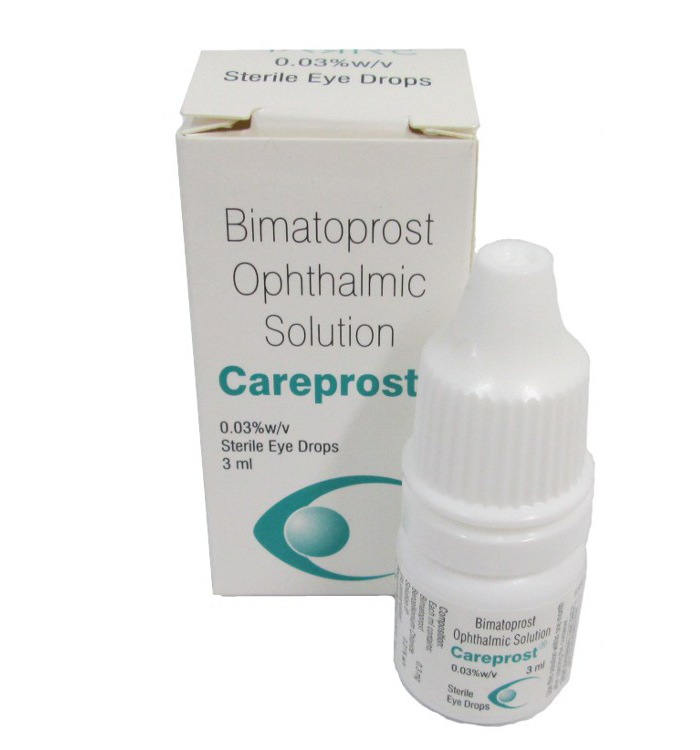
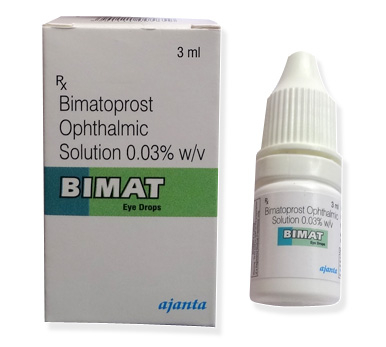
Requests for imported generics such as Careprost or Bimat are sometimes received; pharmacists counsel patients on regulatory and authenticity concerns.
- Common Patient Themes: efficacy at 8–16 weeks, irritation, concerns about pigmentation, interest in imported generics.
- Pharmacist Checklist For Reporting: record patient details, product DIN and lot number, description of event, date of onset, and submit to Canada Vigilance.
Access And Purchase Options
National Pharmacy Chains & In-Person Purchase
Licensed Canadian pharmacies such as Shoppers Drug Mart, Rexall, London Drugs, and Jean Coutu can dispense prescription bimatoprost with pharmacist counselling and provincial billing where applicable.
Obtain Latisse or other DIN‑labelled bimatoprost from a licensed Canadian pharmacy to ensure authenticity and proper packaging with applicators.
Online Pharmacies In Canada & Provincial Restrictions
Licensed Canadian online pharmacies can dispense prescription bimatoprost but require a valid prescription and pharmacist oversight.
Avoid imported or non‑DIN generics sold as “eyelash serums” without prescription because of risks of incorrect concentration, contamination, or missing sterile applicators.
- Safe Purchasing Checklist: verify DIN, confirm pharmacy licence, ensure pharmacist contact information, check expiry date, and confirm inclusion of sterile applicators.
- Buying Options Vs Risk Level Table: see the Coverage & Purchase Comparison Table for specifics on provincial plans and patient cost.
In our online pharmacy, latisse is available without a prescription, with discreet delivery to Canada (English) in 5-14 days.
Mechanism And Pharmacology
Simplified Explanation
Bimatoprost is a prostaglandin analogue that increases hair follicle activity and prolongs the anagen or growth phase of eyelashes.
The result is longer, thicker, and darker lashes with regular nightly application of 0.03% ophthalmic solution applied to the upper eyelid margin.
For glaucoma, bimatoprost lowers intraocular pressure by increasing aqueous humour outflow.
Clinical Terms
ATC code S01EE03 classifies bimatoprost among ophthalmological prostaglandin analogues.
DIN indicates a Health Canada review; the 0.03% ophthalmic solution is the formulation commonly used for eyelash hypotrichosis.
Preservatives such as benzalkonium chloride are common and may cause ocular surface irritation in sensitive patients.
Pharmacokinetics are predominantly local with minimal systemic absorption after topical ocular administration.
Indications And Off-Label Uses In Canada
Approved Indications (DIN)
Bimatoprost 0.03% (Latisse) is indicated for eyelash hypotrichosis in many markets and is prescription-only in Canada with a required DIN for legal sale.
Bimatoprost formulations such as Lumigan are used for glaucoma and ocular hypertension under prescription and monitoring.
Prescribers should verify the current DIN and product monograph via Health Canada before prescribing.
Common Off-Label Practices
Off‑label uses reported by Canadian clinicians include eyebrow enhancement and the occasional use of glaucoma formulations for lashes, though this is not recommended due to preservative differences.
When considering off‑label cosmetic use, obtain informed consent, document the discussion, and discuss the risk of permanent iris pigmentation.
- Approved Versus Off-Label: use DIN‑labelled Latisse for lashes; avoid repurposing glaucoma bottles without verification.
- Informed‑Consent Checklist: explain benefits, timeline, side effects, permanent pigmentation risk, and need for ongoing use to maintain lashes.
Key Clinical Findings
Canadian And International Studies 2022–2025
High‑quality studies consistently show that topical 0.03% bimatoprost produces statistically significant increases in eyelash length, thickness, and darkness by 4–16 weeks.
Common safety findings include conjunctival hyperaemia, eyelid pigmentation, and rare reports of macular oedema associated with prostaglandin analogues.
Class effects for prostaglandin analogues are well documented and should be discussed with patients prior to use.
Ongoing Health Canada Safety Monitoring
Clinicians and pharmacists are advised to report adverse events to Canada Vigilance and to monitor Health Canada safety communications for label updates.
Post‑marketing reports increasingly note misuse patterns such as sharing or reusing applicators and incorrect dosing, which have led to local infections.
- Efficacy Endpoints: eyelash length, thickness, darkness improvements at 4–16 weeks.
- Safety Endpoints: irritation, eyelid/iris pigmentation, rare inflammatory or macular events.
Alternatives Matrix
Comparable Medicines With DIN In Canada
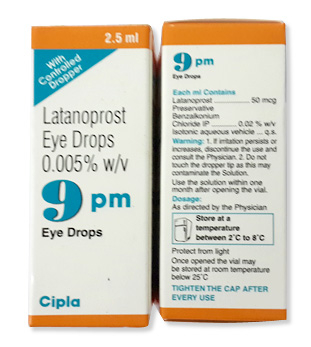
Other prostaglandin analogues used for glaucoma include latanoprost (Xalatan and generics), travoprost (Travatan), and tafluprost, though they are not typically marketed for cosmetic lash growth.
Over‑the‑counter lash serums are available and often contain peptides or conditioners, but none match the proven efficacy of bimatoprost for lash growth.
Pros And Cons Checklist
| Option | Pros | Cons |
|---|---|---|
| Bimatoprost (Latisse) | High efficacy for lashes; DIN‑labelled options available. | Requires prescription; risk of permanent iris pigmentation; cost. |
| Latanoprost/Travoprost | Available for glaucoma with formulary coverage in some provinces. | Not indicated for cosmetic use; preservative differences; off‑label use not advised. |
| OTC Lash Serums (Peptides) | Easy access; no prescription required. | Limited evidence of efficacy compared with bimatoprost. |
Non‑pharmacologic options such as lash extensions carry risks like contact dermatitis and should be discussed as part of shared decision making.
Common Questions From Canadian Patients
Is A Prescription Necessary In Canada?
Yes, bimatoprost products are prescription-only in most jurisdictions including Canada and must bear a DIN for legal sale.
How Long Until I See Results?
Expect some change by four weeks with optimal results around 16 weeks for eyelash growth.
Are Changes Permanent?
Eyelash changes reverse after stopping treatment, but iris pigmentation may be permanent even if treatment is discontinued.
Can I Use Lumigan Or Imported Generics?
Only use products with a valid DIN and prescriber or pharmacist approval; verify sterility and packaging before use.
When Should I Contact A Clinician?
Seek care for any vision changes, severe eye pain, signs of infection, or sustained redness and swelling.
Micro FAQ
- How Often To Apply: once nightly to upper eyelid margin for cosmetic use.
- What To Do If Overexposed: rinse eyes with water and contact a clinician if symptoms persist.
- Can Eyelid Skin Darken: yes, periocular skin darkening is a reported effect.
- Will Lashes Fall Out On Stopping: lashes typically return to baseline over weeks to months after stopping.
Coverage And Purchase Comparison Table
Comparison Table — Province/Plan, Coverage Status, Typical Patient Cost, Prescription Required
| Province/Plan | Coverage (Cosmetic Vs Medical) | Prescription Required | Typical Patient Cost | Notes |
|---|---|---|---|---|
| Ontario Drug Benefit (ODB) | Cosmetic Not Covered; Glaucoma May Be Covered Under Medical Indication | Yes | Varies; out-of-pocket for cosmetic use | Verify formulary listing for medical indications. |
| BC PharmaCare | Cosmetic Not Covered; Medical Coverage Possible For Glaucoma | Yes | Varies by plan; cosmetic purchases typically out-of-pocket | Check special authority requirements for glaucoma indications. |
| RAMQ (Quebec) | Cosmetic Not Covered; Medical Coverage For Glaucoma Possible | Yes | Varies; Latisse 3–5 mL typically out-of-pocket for cosmetic use | Bilingual labelling expectations apply in Quebec. |
| Private Plans | Depends On Plan; Cosmetic Rarely Covered | Yes | Plan‑dependent; often out-of-pocket for cosmetic use | Advise patients to check their specific plan benefits. |
Step-By-Step Purchase Checklist For Canadian Patients
- Obtain a prescription from a licensed prescriber.
- Confirm the product DIN and authenticity before purchase.
- Choose a licensed Canadian pharmacy for dispensing.
- Request pharmacist counselling and confirm inclusion of sterile applicators.
- File a claim with the provincial plan or private insurer if applicable.
Registration And Regulation
Health Canada Approval
Bimatoprost products sold in Canada must be approved by Health Canada and bear a valid DIN for legal sale.
Prescribers and pharmacists should consult product monographs and Health Canada notices for current label information.
Pharmacists are legally obliged to verify prescription authenticity and appropriate dispensing practices.
DIN Number And Labelling Requirements
The DIN indicates that Health Canada has reviewed the product for safety, efficacy, and quality.
Some provinces require bilingual labelling, notably Quebec, and pharmacists must ensure compliance for dispensed products.
Imported non‑DIN products may be refused for dispensing by pharmacists due to regulatory noncompliance.
- Definitions: DIN — Drug Identification Number; Canada Vigilance — national adverse event reporting system.
- Advice: check for recalls and advisories and document lot numbers when reporting adverse events.
Storage And Handling
Standard Canadian Household Conditions
Store bimatoprost at 2–25°C (36–77°F) away from heat and direct light.
Replace the cap tightly after use and discard if the solution changes colour or becomes cloudy.
Keep all medications out of reach of children and follow bilingual storage instructions where required.
Cold-Chain Requirements
There is no strict cold‑chain requirement and the solution should not be frozen.
When ordering across provinces, use expedited shipping to avoid exposure to extreme temperatures during transit.
Sterile single‑use applicators must remain sealed until use and must not be shared or reused.
- At-Home Storage Steps: keep in original carton, avoid bathroom humidity, note expiry date.
- Disposal Checklist: discard opened bottles per pharmacy guidance and do not reuse applicators; consult local waste disposal rules.
Guidelines For Proper Use
Canadian Pharmacist Guidance
Pharmacists should confirm the indication and screen for contraindications and allergies before dispensing.
Demonstrate the dosing technique: apply nightly to the upper eyelid margin with a sterile applicator and discard the applicator after single use.
Discuss timeline expectations of 4–16 weeks and distinguish reversible eyelash effects from potentially irreversible iris pigmentation.
Record the DIN, lot number, and provide a follow‑up plan with contact details for any adverse events.
Provincial Health Authority Recommendations
Align counselling with provincial ophthalmology and dermatology guidance when available, and ensure glaucoma patients have scheduled IOP monitoring.
For cosmetic prescriptions, document informed consent and recommend a follow‑up visit at approximately three months.
- Patient Handout Checklist: dosing steps, when to stop, signs of adverse events, pharmacist/ophthalmologist contact information.
- Suggested Follow-Up Intervals: 4 weeks, 12–16 weeks for efficacy and safety review.
Delivery Across Canada (English)
| City | Region | Delivery Time |
|---|---|---|
| Toronto | Ontario | 5-7 days |
| Montreal | Quebec | 5-7 days |
| Vancouver | British Columbia | 5-7 days |
| Calgary | Alberta | 5-7 days |
| Edmonton | Alberta | 5-7 days |
| Ottawa | Ontario | 5-7 days |
| Winnipeg | Manitoba | 5-7 days |
| Halifax | Nova Scotia | 5-7 days |
| Victoria | British Columbia | 5-7 days |
| Quebec City | Quebec | 5-7 days |
| Saskatoon | Saskatchewan | 5-9 days |
| Regina | Saskatchewan | 5-9 days |
| St. John’s | Newfoundland and Labrador | 5-9 days |