
Weight loss
Understanding Weight Loss Medications
Weight loss medications are prescription and over-the-counter products designed to help individuals manage their weight when combined with diet and exercise. These medications work through various mechanisms, including appetite suppression, metabolism enhancement, and fat absorption reduction. In Canada, weight loss medications are regulated by Health Canada and must meet strict safety and efficacy standards before approval.
Weight loss drugs are typically recommended for individuals with a BMI of 30 or higher, or those with a BMI of 27 or higher who have weight-related health conditions such as diabetes or hypertension. It’s important to understand that these medications are not magic solutions but rather tools that work best when incorporated into a comprehensive lifestyle modification program. Before starting any weight loss medication, consulting with a healthcare provider is essential to determine if the treatment is appropriate for your individual circumstances.
Popular Prescription Weight Loss Medications Available in Canada
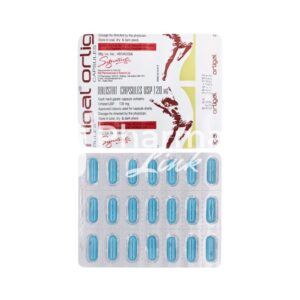
Several prescription weight loss medications are currently available to Canadian patients through licensed pharmacies. Orlistat, sold under the brand name Xenical, is one of the most commonly prescribed options. This medication works by blocking the absorption of dietary fat in the digestive system, reducing overall calorie intake. Patients typically take Orlistat three times daily with meals.
Phentermine is another widely available prescription medication that acts as an appetite suppressant by stimulating the central nervous system. It’s typically prescribed for short-term use, usually up to 12 weeks. Topiramate-phentermine combination, marketed as Qsymia in some regions, offers a dual approach to weight management by combining appetite suppression with metabolism enhancement.
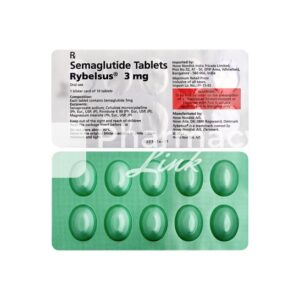
GLP-1 receptor agonists like semaglutide (Ozempic, Wegovy) and tirzepatide (Zepbound, Mounjaro) have gained significant attention recently. These injectable medications help regulate appetite and blood sugar levels, making them particularly beneficial for individuals with type 2 diabetes or prediabetes. Naltrexone-bupropion combination therapy, sold as Contrave, works on the hypothalamus to increase feelings of fullness and reduce hunger signals.
Over-the-Counter Weight Loss Products and Supplements
Canada’s over-the-counter weight loss market includes various options available without a prescription. These products range from herbal supplements to dietary aids and come in multiple forms including capsules, powders, and teas. Common OTC ingredients include caffeine, green tea extract, conjugated linoleic acid (CLA), and glucomannan fiber.
Many Canadians turn to products containing natural ingredients like garcinia cambogia, which claims to suppress appetite, or green coffee bean extract, believed to boost metabolism. Fiber-based supplements such as glucomannan work by absorbing water and expanding in the digestive tract, promoting feelings of fullness. Caffeine-containing products can temporarily increase metabolic rate and energy levels.
It’s crucial to note that over-the-counter weight loss products are not as rigorously regulated as prescription medications. While many are safe when used as directed, effectiveness varies significantly among individuals. Always check product labels for Natural and Non-prescription Health Products Directorate (NNHPD) approval numbers to ensure the product meets Canadian safety standards.
How Weight Loss Medications Work in Your Body
Different weight loss medications employ distinct mechanisms to help reduce body weight. Appetite suppressants work by affecting neurotransmitters in the brain that control hunger and satiety signals. These medications essentially make you feel fuller faster and reduce cravings, leading to decreased food intake.
Fat blockers like Orlistat operate in the digestive system rather than the brain. They prevent the absorption of dietary fats, meaning those fats pass through your system without being stored as body weight. This mechanism typically results in changes to bowel movements, which is an expected side effect.
Metabolism boosters increase the rate at which your body burns calories at rest and during activity. These products often contain stimulants like caffeine that temporarily elevate heart rate and energy expenditure. Some medications work through multiple pathways simultaneously, addressing both appetite and metabolism for comprehensive weight management support.
Potential Side Effects and Safety Considerations
Like all medications, weight loss drugs can cause side effects that vary depending on the specific product and individual response. Common side effects of appetite suppressants include increased heart rate, elevated blood pressure, insomnia, and nervousness. Gastrointestinal side effects such as nausea, constipation, or diarrhea are frequently reported with fat-blocking medications.
More serious but less common side effects can include cardiovascular complications, especially with stimulant-based medications. Certain weight loss drugs may affect serotonin levels, and there’s a rare risk of serotonin syndrome when combined with other medications. Individuals with a personal or family history of thyroid cancer, gallbladder problems, or eating disorders should avoid specific weight loss medications.
Drug interactions are an important consideration. Weight loss medications may interact with blood pressure medications, diabetes treatments, and other pharmaceuticals. Regular monitoring by a healthcare provider is essential to ensure the medication remains safe and effective. Important safety considerations include:
- Pregnant women and those breastfeeding should not use most weight loss medications without explicit medical guidance
- Always inform your healthcare provider of all medications and supplements you’re currently taking
- Report any unusual symptoms or side effects to your pharmacist or physician immediately
- Never exceed the recommended dosage without medical approval
- Schedule regular follow-up appointments to monitor your progress and medication effectiveness
Creating a Comprehensive Weight Loss Plan
Weight loss medications work best as part of a comprehensive approach to weight management rather than as standalone solutions. A successful weight loss plan combines medication with dietary modifications, regular physical activity, and behavioral changes. Most healthcare providers recommend aiming for gradual weight loss of one to two pounds per week, which is considered sustainable and healthy.
Dietary adjustments should focus on reducing calorie intake while maintaining proper nutrition. This often means increasing protein and fiber intake, reducing processed foods and sugary beverages, and practicing portion control. Regular exercise, including both cardiovascular activities and strength training, helps preserve muscle mass during weight loss and improves overall health outcomes.
Behavioral modifications are equally important and may include keeping a food diary, managing stress through non-food methods, getting adequate sleep, and seeking support through counseling or support groups. Many Canadians find success working with registered dietitians or weight loss specialists who can provide personalized guidance. Setting realistic goals and celebrating milestones helps maintain motivation throughout the weight loss journey. Remember that weight loss medications are tools to support your efforts, not replacements for healthy lifestyle changes.