
Pain Relief

Decadron
from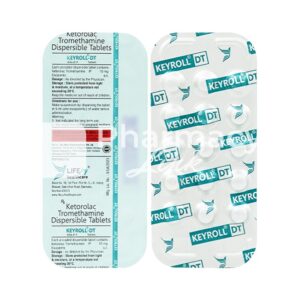
Toradol
from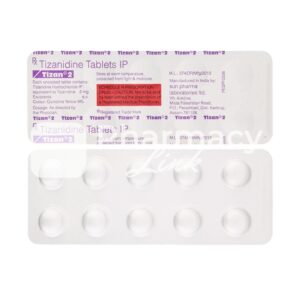
Zanaflex
fromUnderstanding Pain Relief Medications
Pain relief medications, commonly known as analgesics, are pharmaceutical products designed to reduce or eliminate pain by affecting how your body perceives discomfort. These medications work through different mechanisms, such as reducing inflammation, blocking pain signals, or altering brain chemistry to diminish pain sensation. Understanding the various types of pain relief available helps you choose the most appropriate option for your specific needs.
There are several categories of pain relief medications available over-the-counter and by prescription in Canada. Each type works differently in your body and is suited for different kinds of pain. Whether you’re dealing with headaches, muscle aches, arthritis pain, or post-surgical discomfort, selecting the right pain management option is essential for effective relief and overall wellbeing.
Over-the-Counter Pain Relief Options
Over-the-counter pain relievers are accessible without a prescription and are commonly used for mild to moderate pain. The most popular options available in Canadian pharmacies include acetaminophen (Tylenol), ibuprofen (Advil, Motrin), and naproxen (Aleve). Acetaminophen is effective for headaches, fever, and general pain relief, with a typical dose of 325–650 mg every four to six hours as needed.
Ibuprofen is a nonsteroidal anti-inflammatory drug (NSAID) that not only relieves pain but also reduces inflammation and fever. It’s particularly effective for menstrual cramps, muscle strains, and arthritis pain. Common brands include Advil and Motrin, available in tablets, caplets, and liquid formulations. Naproxen, another NSAID, provides longer-lasting relief with doses taken every eight to twelve hours.
Topical pain relievers such as creams and gels containing menthol, camphor, or salicylates are excellent for localized muscle and joint pain. These products absorb through the skin directly to the affected area, making them ideal for arthritis, sprains, and muscle soreness without affecting your entire system.
Prescription Strength Pain Medications
When over-the-counter options aren’t sufficient, prescription pain relievers offer stronger relief for more severe pain conditions. Prescription NSAIDs like celecoxib (Celebrex) provide enhanced anti-inflammatory benefits for chronic conditions such as rheumatoid arthritis and osteoarthritis, often with fewer gastrointestinal side effects than standard NSAIDs.
Opioid medications such as codeine, tramadol, and morphine are prescribed for moderate to severe pain when other treatments haven’t been effective. These medications should be used carefully and only as directed by your healthcare provider due to potential for dependency. Tramadol offers moderate pain relief with a lower risk profile compared to stronger opioids and is commonly prescribed for various pain conditions in Canada.
Muscle relaxants like cyclobenzaprine are prescribed when pain is accompanied by muscle tension or spasms. These medications work by reducing muscle contractions and are often recommended for acute muscle injuries or chronic muscle pain conditions.
Pain Relief for Specific Conditions
Headaches and Migraines
Different conditions require tailored pain management approaches. For headaches and migraines, acetaminophen or ibuprofen are first-line treatments, though prescription options like triptans may be necessary for severe migraines. Many Canadians find regular strength or extra strength formulations effective for tension headaches.
Arthritis and Joint Pain
Arthritis pain, whether osteoarthritis or rheumatoid arthritis, often requires consistent management with NSAIDs or prescription medications designed to reduce inflammation. Products specifically formulated for joint pain are widely available in Canadian pharmacies, often combined with glucosamine or chondroitin for additional support.
Back Pain, Muscle Strains, and Menstrual Pain
Back pain and muscle strains typically respond well to a combination of NSAIDs and muscle relaxants, sometimes with topical applications for additional relief. Menstrual pain responds particularly well to ibuprofen and naproxen, which address both pain and inflammation associated with menstruation. Post-operative pain after dental work, surgery, or medical procedures requires careful pain management, often starting with prescription options and transitioning to over-the-counter medications as healing progresses.
Natural and Alternative Pain Relief Options
Many Canadians seek natural alternatives or complementary approaches to pain management alongside conventional medications. Herbal supplements such as turmeric, ginger, and boswellia have anti-inflammatory properties and are increasingly popular for joint and muscle pain relief. These natural options are available in capsules, powders, and teas throughout Canadian pharmacies.
Topical natural remedies including arnica gel and essential oils can complement traditional pain relief methods. Arnica is traditionally used for bruising and muscle soreness, while certain essential oils like eucalyptus and peppermint offer cooling or warming sensations that may provide comfort for localized pain areas.
Physical approaches such as heat therapy, cold therapy, massage, and gentle exercise often work synergistically with pain medications to provide comprehensive relief. Many pain sufferers in Canada benefit from combining medication with these natural approaches for optimal pain management and faster recovery.
Choosing the Right Pain Relief and Safety Considerations
Selecting appropriate pain relief requires considering the type of pain, its severity, your personal health history, and any medications you’re currently taking. Always read product labels carefully and follow dosing instructions to avoid exceeding maximum daily limits, particularly with acetaminophen and NSAIDs. Consulting with your pharmacist or healthcare provider is essential before starting any new pain medication, especially if you have existing health conditions or take other medications.
Certain pain relievers may interact with other drugs or cause adverse effects in people with specific conditions. NSAIDs should be used cautiously and at the lowest effective dose for the shortest duration necessary. If over-the-counter options don’t provide relief after a few days, or if pain is severe, seek professional medical advice.
Key Safety Tips for Pain Relief
- Read all product labels carefully before use
- Follow recommended dosing instructions and do not exceed maximum daily limits
- Inform your pharmacist or doctor about all medications and supplements you’re taking
- Be cautious if you have kidney disease, heart problems, or gastrointestinal issues
- Use NSAIDs at the lowest effective dose for the shortest time needed
- Keep a pain diary to track which treatments work best for you
- Seek medical advice if pain persists beyond a few days or is severe
Keeping a pain diary can help identify patterns and determine which treatments work best for you. Regular communication with your healthcare provider ensures optimal pain management while minimizing risks. At Canadian pharmacies, knowledgeable staff can provide guidance on selecting the most appropriate pain relief option for your individual needs.