
Muscle Relaxants

What Are Muscle Relaxants and How Do They Work?
Muscle relaxants are medications designed to reduce muscle tension and alleviate pain caused by muscle stiffness and spasms. These drugs work by affecting the central nervous system to decrease muscle tone and promote relaxation. They are commonly prescribed for acute muscle injuries, chronic muscle conditions, and various musculoskeletal disorders that cause discomfort and limit mobility.
There are two main categories of muscle relaxants: those that work on the central nervous system and those that act directly on muscle tissue. Most prescription muscle relaxants available in Canada work by depressing the central nervous system, which helps interrupt the signals between nerves and muscles that cause spasms. This action provides relief from pain and stiffness, allowing patients to move more comfortably and engage in physical therapy or rehabilitation.
The effectiveness of muscle relaxants varies from person to person, and the choice of medication depends on the specific condition, severity of symptoms, and individual patient factors. These medications are typically prescribed for short-term use, usually two to three weeks, as they are most effective for acute muscle injuries rather than chronic conditions.
Common Conditions Treated with Muscle Relaxants
Muscle relaxants are prescribed for various conditions that cause muscle tension and pain. Acute muscle injuries from sports, accidents, or workplace incidents are among the most common reasons for prescribing these medications. They help reduce the severe pain and stiffness that accompany muscle strains and sprains, making it easier for patients to recover.
Back pain is another prevalent condition treated with muscle relaxants. Whether caused by poor posture, herniated discs, or muscle strains, acute lower back pain often responds well to muscle relaxant therapy combined with rest and physical therapy. These medications help break the pain cycle and allow patients to participate in rehabilitation exercises.
Neck stiffness and tension headaches frequently benefit from muscle relaxant use. Conditions such as whiplash from motor vehicle accidents or tension from stress and poor ergonomics can cause significant neck muscle tension that responds to these medications. Multiple sclerosis and cerebral palsy patients also use muscle relaxants to manage the muscle rigidity and spasticity associated with these conditions.
Other conditions treated with muscle relaxants include the following:
- Fibromyalgia
- Post-surgical pain management
- Temporomandibular joint disorder (TMJ)
- Arthritis-related muscle tension
- Rheumatoid arthritis-associated discomfort
Popular Muscle Relaxants Available in Canada
Canada’s pharmaceutical market offers several muscle relaxant options that are available by prescription. Cyclobenzaprine is one of the most commonly prescribed muscle relaxants in Canada. Available under brand names like Flexeril, it works quickly to relieve acute muscle spasms and is typically taken for short periods. The usual dose ranges from 5 to 10 mg, taken three times daily, though many patients find relief with lower doses.
Baclofen is another widely used muscle relaxant available in Canada, particularly for patients with spasticity from conditions like multiple sclerosis or spinal cord injuries. This medication is available in oral form and requires careful dosing adjustments based on patient response. It works by depressing nerve activity in the spinal cord and brain.
Methocarbamol is available in Canada under the brand name Robaxin and is frequently used for acute muscle injuries and pain. It is considered to have fewer side effects compared to some other muscle relaxants and is often a first-line choice for muscle strain treatment. The typical dosing involves 1500 mg four times daily.
Diazepam, while primarily known as an anti-anxiety medication, is also prescribed as a muscle relaxant for severe muscle spasms. Its muscle-relaxing properties make it useful for acute muscle tension, though it carries a higher risk of dependence and is typically prescribed for very short-term use only.
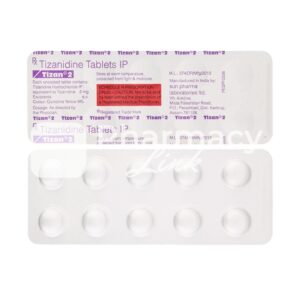
Tizanidine is another prescription option available in Canada, particularly for patients with spasticity related to neurological conditions. This alpha-2 adrenergic agonist requires monitoring but can be effective for certain patient populations when other muscle relaxants have not provided adequate relief.
Proper Usage and Important Safety Considerations
Taking muscle relaxants properly is essential for achieving maximum benefit while minimizing risks. These medications should be taken exactly as prescribed by your healthcare provider, typically with food to reduce stomach upset. Do not increase the dose or frequency without consulting your doctor, as this can lead to adverse effects and dependency issues.
Most muscle relaxants should not be combined with alcohol or other central nervous system depressants, as this can intensify side effects such as dizziness, drowsiness, and impaired coordination. Operating machinery or driving should be avoided when taking these medications, particularly when starting treatment or after dose increases, until you understand how the medication affects you personally.
It is crucial to inform your healthcare provider about all medications you are currently taking, including over-the-counter medications and supplements, as muscle relaxants can interact with various other drugs. Patients with liver disease, kidney problems, or certain heart conditions may require adjusted dosing or alternative treatments.
Muscle relaxants are generally intended for short-term use, typically two to three weeks. Prolonged use can lead to tolerance, where the medication becomes less effective over time. Additionally, some muscle relaxants carry a risk of dependence with extended use. Always follow your doctor’s guidance regarding treatment duration.
Pregnant or breastfeeding women should discuss muscle relaxant use with their healthcare provider, as some of these medications may pass into breast milk or affect fetal development. Elderly patients may be more sensitive to side effects and often require lower doses.
Side Effects and When to Seek Medical Attention
Like all medications, muscle relaxants can cause side effects, though not everyone experiences them. Common side effects include drowsiness, dizziness, and lightheadedness, which typically decrease as your body adjusts to the medication. Some patients report headaches, nausea, or dry mouth during the first few days of treatment.
More serious side effects, though less common, require immediate medical attention. These include severe allergic reactions such as rash, swelling of the face or throat, difficulty breathing, and chest pain. Jaundice, indicated by yellowing of the skin or eyes, suggests liver problems and should be reported immediately to your doctor.
Muscle weakness that is severe or progressive, confusion, tremors, or rapid heartbeat should prompt you to contact your healthcare provider. Some patients experience mood changes or depression while taking muscle relaxants and should discuss these symptoms with their doctor.
It is important to monitor how you feel when starting muscle relaxants and report any concerning symptoms. Your doctor may adjust your dose, switch you to a different medication, or recommend an alternative treatment approach if side effects are problematic or if the medication is not providing adequate relief after an appropriate trial period.
Complementary Approaches and Long-term Management
While muscle relaxants are effective for acute muscle pain and spasms, they work best as part of a comprehensive treatment approach. Physical therapy is often recommended alongside muscle relaxant use to address the underlying causes of muscle tension and prevent recurrence. Stretching, strengthening exercises, and ergonomic adjustments can provide lasting relief beyond what medication alone can achieve.
Rest and ice or heat application are simple but effective complementary strategies for acute muscle injuries. Ice reduces inflammation during the first 48 hours, while heat can help relax muscles after the acute phase. These methods can enhance the benefits of muscle relaxant therapy.
Lifestyle modifications play an important role in managing muscle tension long-term. Maintaining good posture, taking regular breaks during work, managing stress through relaxation techniques, and staying physically active all contribute to reducing muscle strain. For chronic muscle conditions, alternative therapies such as massage therapy, acupuncture, and chiropractic care may provide additional benefits when combined with prescribed muscle relaxants and physical therapy.
Most importantly, muscle relaxants are not a permanent solution but rather a tool to help you manage acute symptoms while you address underlying causes through rehabilitation and lifestyle changes. Working closely with your healthcare team ensures you receive the most appropriate and effective treatment for your specific condition.