
Hormones
Understanding Hormones and Hormone Therapy
Hormones are powerful chemical messengers that regulate many vital functions in your body, including metabolism, mood, growth, and reproductive health. Hormone therapy involves using medications to balance hormonal levels when your body isn’t producing enough of certain hormones or when hormonal imbalances occur. In Canada, hormone therapy is prescribed for various conditions including menopause, thyroid disorders, diabetes, and hormonal deficiencies. These medications work by replacing missing hormones or regulating existing hormone production to restore balance and improve quality of life.
Hormone-related conditions affect millions of Canadians of all ages. Women experiencing menopause, men with low testosterone, and individuals with thyroid issues can all benefit from appropriate hormone therapy. Before starting any hormone medication, it’s important to consult with your healthcare provider who can assess your specific needs through blood tests and medical evaluation. Understanding your hormonal health is the first step toward effective treatment and management.
Estrogen and Progesterone Therapies
Estrogen and progesterone medications are commonly prescribed for women experiencing menopause, perimenopause, and other hormonal imbalances. These hormones naturally decline with age, leading to hot flashes, night sweats, mood changes, and vaginal dryness. Hormone replacement therapy can significantly reduce these uncomfortable symptoms and improve overall wellness.
Popular estrogen-based medications available in Canada include Premarin, Estrace, and Climara patches. Progesterone alternatives include Provera and Micronized Progesterone. Combination therapies like Premplus and Prempro offer both hormones in one medication for convenient dosing. These medications come in various forms including:
- Tablets for oral administration
- Patches applied to the skin
- Creams for topical application
- Vaginal preparations for localized relief
Treatment duration varies depending on individual symptoms and health history. Some women use these therapies short-term for symptom relief, while others continue longer-term treatment. Your doctor will help determine the appropriate dosage and duration based on your specific situation and health profile.
Thyroid Hormone Medications
Thyroid hormones regulate metabolism, energy levels, body temperature, and heart rate. When the thyroid doesn’t produce enough hormones, hypothyroidism develops, causing fatigue, weight gain, cold sensitivity, and depression. Thyroid hormone replacement therapy restores normal metabolic function and alleviates these symptoms.
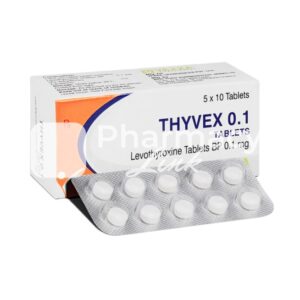
Synthroid is the most commonly prescribed thyroid medication in Canada, containing synthetic levothyroxine. Other options include Eltroxin and generic levothyroxine tablets. These medications effectively replace the thyroid hormone your body needs. Some patients prefer natural desiccated thyroid preparations, though synthetic options are typically recommended as first-line treatment due to consistent hormone levels.
Thyroid medications require careful dosing adjustments, and regular blood tests monitor TSH and free T4 levels to ensure optimal dosing. Most patients take their thyroid medication on an empty stomach each morning for best absorption. It may take several weeks to find your ideal dose, and periodic retesting ensures your treatment remains effective as your body’s needs change.
Testosterone and Male Hormone Therapies
Testosterone replacement therapy addresses low testosterone levels in men, a condition called hypogonadism. Low testosterone causes fatigue, reduced muscle mass, decreased libido, mood changes, and erectile dysfunction. Testosterone therapy restores vitality, strength, and sexual function in men with documented deficiency.
Available testosterone medications in Canada include Androgel and Testim gels applied to the skin, Testosterone Cypionate injections, and Nebido long-acting injections. Oral options like Andriol provide convenient alternatives for some patients. The choice of medication depends on personal preference, lifestyle, and how quickly results are needed. Injections typically provide faster results, while gels offer steady daily hormone delivery.
Treatment effectiveness improves energy, mood, and physical performance within weeks to months. Regular monitoring through blood tests ensures testosterone levels stay within healthy ranges and the dosage remains appropriate. Men undergoing testosterone therapy should have their prostate health monitored regularly, as testosterone can affect prostate function in some cases.
Insulin and Diabetes Hormone Management
Insulin is a critical hormone that regulates blood sugar levels. Type 1 diabetes requires insulin therapy because the pancreas cannot produce adequate insulin. Type 2 diabetes often develops insulin resistance, eventually requiring insulin supplementation. Proper insulin management prevents serious complications and maintains stable energy levels.
Common insulin types available in Canada include rapid-acting insulins like Humalog and NovoLog, long-acting insulins such as Lantus and Levemir, and intermediate options like NPH insulin. Many diabetic patients use insulin pumps or pens that make daily injections convenient and precise. Combination therapies with other diabetes medications help optimize blood sugar control.
Insulin therapy requires careful monitoring through regular blood glucose testing and HbA1c measurements. Working with a diabetes educator and endocrinologist ensures proper injection techniques, dosing adjustments, and lifestyle modifications. Modern insulin preparations are highly refined and provide excellent safety profiles when used correctly under medical supervision.
Other Hormonal Medications and Specialized Treatments
Beyond the primary categories, various other hormonal medications address specific conditions. Cortisol medications like Prednisone treat inflammation and autoimmune conditions. Growth hormone therapy helps children with growth disorders and adults with growth hormone deficiency. Prolactin-regulating medications address hormonal imbalances affecting fertility and reproductive health.
Birth control pills contain hormonal combinations that regulate menstrual cycles and provide contraception. Popular Canadian options include Yasmin, Alysena, and Portia. These medications offer consistent hormone delivery that prevents ovulation while regulating cycles and reducing menstrual symptoms. Women choosing hormonal contraception have numerous options tailored to different health needs and preferences.
Medications for menopausal bone health include bisphosphonates and hormone-related treatments that prevent osteoporosis. Adrenal support medications address cortisol imbalances affecting energy and stress response. Each hormonal medication serves specific purposes determined by individual health conditions. Always discuss potential benefits, side effects, and monitoring requirements with your Canadian healthcare provider to ensure safe and effective hormone therapy appropriate for your unique health situation.