
Cancer
Understanding Cancer and Its Treatment Options
Cancer is a complex disease characterized by the uncontrolled growth of abnormal cells that can spread throughout the body. When cells in the body begin to divide uncontrollably, they form tumours that can interfere with normal body functions. Cancer treatment varies depending on the type, stage, and individual patient factors. The main treatment approaches include surgery, radiation therapy, chemotherapy, targeted therapy, immunotherapy, and hormone therapy. Many patients receive a combination of these treatments to achieve the best possible outcomes.
Understanding your specific cancer diagnosis and treatment plan is essential for managing your health effectively. Your healthcare team will work with you to develop a personalized treatment strategy that addresses your unique medical needs and circumstances.
Chemotherapy Medications Available in Canada
Chemotherapy remains one of the most common cancer treatments prescribed in Canada. These powerful medications work by targeting rapidly dividing cancer cells throughout the body. Common chemotherapy drugs available in Canada include:
- Doxorubicin – used for breast and ovarian cancers
- Cyclophosphamide – employed in various cancer types
- Paclitaxel – effective against breast and ovarian cancers
- Fluorouracil (5-FU) – frequently prescribed for colorectal and gastric cancers
- Cisplatin and Carboplatin – platinum-based drugs for lung, ovarian, and testicular cancers
- Methotrexate – treats both solid tumours and blood cancers
- Vincristine and Vinblastine – vinca alkaloid drugs for lymphoma and leukaemia
These medications work through different mechanisms, such as preventing cell division, damaging DNA, or interfering with cell growth signals. Chemotherapy is often administered in cycles, allowing the body time to recover between treatments. Side effects vary but may include nausea, hair loss, fatigue, and increased infection risk. Your pharmacist can provide guidance on managing these effects and when to seek medical attention.
Targeted Therapy and Precision Cancer Medicines
Targeted therapy represents a significant advancement in cancer treatment by attacking specific proteins or genetic mutations found in cancer cells. These medications are more precise than traditional chemotherapy, often resulting in fewer side effects. Several breakthrough medications are available through Canadian pharmacies:
- Herceptin (trastuzumab) – for HER2-positive breast cancers
- Gleevec (imatinib) – revolutionized treatment for chronic myeloid leukaemia
- Tarceva (erlotinib) and Iressa (gefitinib) – target EGFR mutations in non-small cell lung cancer
- Sutent (sunitinib) and Nexavar (sorafenib) – tyrosine kinase inhibitors for renal cell carcinoma
- Avastin (bevacizumab) – inhibits blood vessel formation that feeds tumours
- Sprycel (dasatinib) and Tasigna (nilotinib) – second-generation tyrosine kinase inhibitors
These medications require genetic testing to confirm eligibility, ensuring patients receive the most appropriate treatment. Targeted therapies often have different side effect profiles compared to chemotherapy, though they still require careful monitoring. The development of resistance over time may occur, necessitating treatment adjustments. Your oncology team will determine if targeted therapy is suitable for your cancer type and genetic profile.
Immunotherapy and Checkpoint Inhibitor Medications
Immunotherapy harnesses the body’s own immune system to fight cancer cells. Checkpoint inhibitors are a major class of immunotherapy drugs that remove the “brakes” cancer uses to hide from immune cells. Several key medications are widely available in Canada:
- Keytruda (pembrolizumab) – for melanoma and non-small cell lung cancer
- Opdivo (nivolumab) – blocks PD-1 receptors to allow T-cells to attack cancer
- Yervoy (ipilimumab) – targets CTLA-4, another important immune checkpoint
- Tecentriq (atezolizumab) and Imfinzi (durvalumab) – additional checkpoint inhibitor options
These medications can produce remarkable responses in some patients, with cancer going into long-term remission. Immunotherapy side effects differ from chemotherapy, often involving immune-related adverse events like inflammation in various organs. Combination immunotherapy approaches, sometimes pairing checkpoint inhibitors together or with targeted therapy, are increasingly used. Treatment with immunotherapy requires careful monitoring through imaging and blood tests. Response rates vary significantly among different cancer types and patient populations. Your healthcare team will assess whether immunotherapy is appropriate for your specific situation and cancer stage.
Hormone Therapies and Supportive Cancer Medications
Hormone therapy targets cancers that depend on specific hormones for growth. Tamoxifen remains a cornerstone medication for hormone receptor-positive breast cancer in both premenopausal and postmenopausal women. Aromatase inhibitors, including Arimidex (anastrozole), Femara (letrozole), and Aromasin (exemestane), are prescribed for postmenopausal women to reduce estrogen production. Fulvestrant (Faslodex) works through a different mechanism, degrading estrogen receptors. Casodex (bicalutamide) and similar androgen receptor antagonists are used in prostate cancer treatment. Lupron (leuprorelin) and Zoladex (goserelin) suppress hormone production through different pathways.
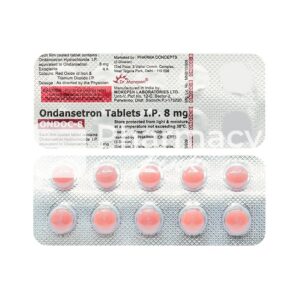
Supportive medications are equally important in cancer care, helping manage side effects and improve quality of life. Antiemetics like Zofran (ondansetron) and Emend (aprepitant) prevent nausea and vomiting. Colony-stimulating factors such as Neupogen (filgrastim) help prevent infections by supporting white blood cell production. Pain management medications, including both over-the-counter and prescription options, are essential components of cancer care. Anti-anxiety and anti-depression medications may be prescribed to support mental health during treatment. Your pharmacy team can help optimize your supportive medication regimen alongside your cancer treatment.
Managing Cancer Medications and Pharmacy Support Services
Proper management of cancer medications is critical for treatment success and minimizing complications. Many cancer medications have specific storage requirements, dietary interactions, and administration instructions that must be carefully followed. Canadian pharmacies provide comprehensive medication counselling to ensure patients understand how to take their prescriptions correctly.
Your pharmacist can review potential drug interactions between cancer medications and other supplements or over-the-counter products. Adherence to medication schedules significantly impacts treatment outcomes, and your pharmacy team can help establish systems to remember doses. Some cancer medications require special handling or must be taken with specific foods or at particular times. Insurance coverage and patient assistance programs are available for many cancer medications in Canada, and your pharmacist can help navigate these resources.
Regular communication with your healthcare team about side effects or concerns is essential, and your pharmacist serves as a valuable intermediary. Many pharmacies offer medication therapy management services specifically for cancer patients. Keeping detailed records of your medications, doses, and schedules helps ensure coordinated care across your healthcare team. Your local pharmacy is an important partner in your cancer treatment journey, providing expert guidance, support, and access to the latest medications available in Canada.