
Blood Pressure

Amlodipine
from
Telmisartan
from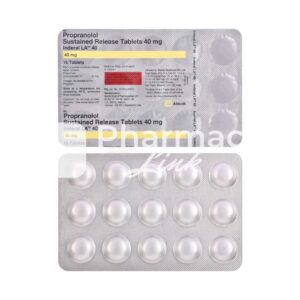
Propranolol
from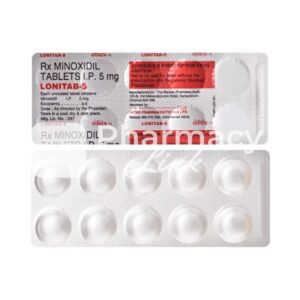
Minoxidil
from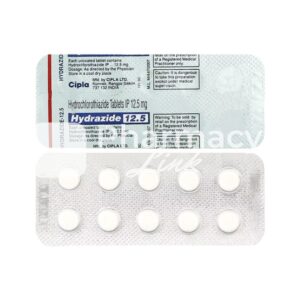
Hydrochlorothiazide
fromUnderstanding Blood Pressure and Hypertension
Blood pressure refers to the force of blood pushing against the walls of your arteries as your heart pumps. It is measured in two numbers: systolic pressure (the top number) and diastolic pressure (the bottom number), both recorded in millimetres of mercury (mmHg). Normal blood pressure is typically considered to be below 120/80 mmHg. When blood pressure consistently stays elevated above 130/80 mmHg, it is diagnosed as hypertension or high blood pressure.
Hypertension is a common condition affecting millions of Canadians. It often develops gradually over time and can go unnoticed for years without causing obvious symptoms. However, untreated high blood pressure increases the risk of serious health complications, including heart disease, stroke, kidney disease, and vision problems. Regular blood pressure monitoring is essential for early detection and effective management.
Causes and Risk Factors for High Blood Pressure
High blood pressure can develop due to various factors. Primary hypertension, also called essential hypertension, has no single identifiable cause but develops gradually over time due to lifestyle and genetic factors. Secondary hypertension results from an underlying condition, such as kidney disease, thyroid problems, or sleep apnea.
Common risk factors include age, family history, obesity, physical inactivity, high sodium diet, excessive alcohol consumption, and chronic stress. Certain medical conditions like diabetes and kidney disease also increase hypertension risk. Additionally, smoking and hormonal changes during menopause can contribute to elevated blood pressure. Understanding your personal risk factors helps guide prevention strategies and treatment decisions with your healthcare provider.
Lifestyle Modifications and Prevention
Before or alongside medication, lifestyle changes can significantly reduce blood pressure. The DASH diet (Dietary Approaches to Stop Hypertension) emphasizes fruits, vegetables, whole grains, lean proteins, and low-fat dairy products while limiting sodium, sugar, and saturated fats. Reducing daily sodium intake to less than 2,300 milligrams can help lower blood pressure substantially.
Regular physical activity, such as moderate aerobic exercise for at least 150 minutes per week, strengthens the heart and improves circulation. Maintaining a healthy weight through balanced nutrition and exercise reduces strain on the cardiovascular system. Stress management techniques, including meditation, yoga, and deep breathing exercises, help control blood pressure naturally. Limiting alcohol consumption and eliminating smoking are also critical for managing hypertension and preventing complications. These lifestyle modifications often provide significant benefits within weeks or months.
Blood Pressure Medications Available in Canada
Several classes of blood pressure medications are available in Canada, each working through different mechanisms:
- ACE inhibitors like Lisinopril, Ramipril, and Enalapril relax blood vessel walls by blocking angiotensin-converting enzyme
- Angiotensin II receptor blockers (ARBs) such as Losartan, Valsartan, and Irbesartan work similarly but through a different pathway and are often well-tolerated with minimal side effects
- Beta-blockers including Metoprolol, Atenolol, and Bisoprolol reduce heart rate and the heart’s workload
- Calcium channel blockers like Amlodipine, Diltiazem, and Verapamil prevent calcium from entering heart and blood vessel cells, causing relaxation
- Diuretics such as Hydrochlorothiazide and Furosemide help remove excess fluid from the body, reducing blood volume and pressure
Combination medications contain two or more active ingredients to improve adherence and effectiveness. Many Canadians take combination pills that include an ACE inhibitor or ARB with a diuretic or calcium channel blocker. Your pharmacist or doctor will recommend the most suitable medication based on your blood pressure readings, medical history, kidney and liver function, and potential drug interactions.
Managing Blood Pressure Medications
Taking blood pressure medications consistently is crucial for controlling hypertension effectively. Most medications work best when taken at the same time each day. Some people experience initial side effects like dizziness, fatigue, or cough, which often diminish after the body adjusts. Never stop taking prescribed medication without consulting your healthcare provider, as sudden discontinuation can cause dangerous blood pressure spikes.
Regular blood pressure monitoring at home helps track medication effectiveness and guides treatment adjustments. Many pharmacies in Canada offer free blood pressure checks. Keep a log of your readings to share with your doctor or pharmacist during check-ups. Attend all scheduled appointments to monitor your progress and discuss any concerns. If you experience persistent side effects or your blood pressure remains uncontrolled, inform your healthcare provider immediately so they can adjust your treatment plan.
When to Seek Medical Attention
Contact your healthcare provider if you experience symptoms like severe headache, chest pain, shortness of breath, or vision changes, as these may indicate dangerously high blood pressure or a hypertensive emergency. If blood pressure consistently remains above target despite medication and lifestyle changes, medical evaluation is necessary. Changes in how your medication works, new or worsening side effects, or concerns about interactions with other medications warrant professional consultation.
Pregnant women with hypertension require specialized monitoring, as high blood pressure during pregnancy can pose risks to both mother and baby. Older adults, people with kidney disease, and those with diabetes need more frequent blood pressure monitoring. Regular follow-ups with your pharmacist or doctor ensure your treatment plan remains effective and safe. Canadian healthcare providers are available through your family physician, local health clinics, and pharmacy consultation services. Early intervention and proper management significantly reduce the risk of serious complications and help maintain long-term cardiovascular health.