
Birth Control
Understanding Birth Control
Birth control plays an important role in reproductive health by helping individuals and couples plan pregnancy safely and confidently. Modern contraceptive methods offer reliable protection against unintended pregnancy while allowing people to choose an option that best suits their lifestyle, medical history, and future family planning goals. In Canada, birth control is widely used by women of different ages, and healthcare professionals encourage selecting contraception based on individual health needs and personal preferences.
Hormonal contraceptives remain among the most effective reversible methods of pregnancy prevention when used correctly. These medications work by preventing ovulation, thickening cervical mucus to reduce sperm movement, and altering the uterine lining to make implantation less likely. Some hormonal treatments may also provide additional benefits, including improved menstrual cycle regulation, reduced menstrual pain, lighter periods, and better control of acne or symptoms associated with hormonal imbalance.
Your physician or pharmacist can help determine which contraceptive option is most appropriate based on your age, medical history, smoking status, existing health conditions, and reproductive goals. Regular consultations ensure that your birth control method continues to meet your needs over time.
Combined Hormonal Contraceptives
Combined hormonal contraceptives contain both estrogen and progestin and remain one of the most commonly prescribed forms of birth control in Canada. When taken consistently according to instructions, these medications provide highly effective pregnancy prevention while offering additional health benefits for many women.
Besides contraception, combined hormonal medications are frequently prescribed to regulate menstrual cycles, reduce heavy bleeding, relieve menstrual cramps, and manage hormone-related conditions such as acne or polycystic ovary syndrome (PCOS). Many women also appreciate the predictability these medications provide, making monthly cycles easier to manage.
Proper adherence is essential for maximum effectiveness. Taking your medication at the same time each day significantly improves contraceptive reliability and helps maintain consistent hormone levels throughout the cycle.
Progestin-Based Hormonal Therapy
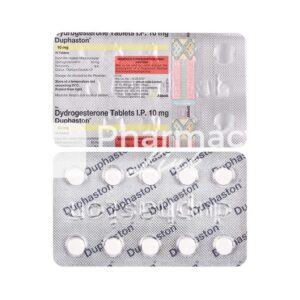
Not all hormonal medications are intended exclusively for contraception. Some progesterone-based treatments are prescribed to support hormonal balance, regulate menstrual cycles, manage endometriosis, or treat conditions related to insufficient progesterone production. Depending on the medication and the individual clinical situation, these therapies may also be used as part of fertility treatment or pregnancy support under medical supervision.
Healthcare providers carefully evaluate each patient’s medical history before recommending progesterone therapy. The most appropriate treatment depends on the underlying condition, hormone levels, and overall reproductive health goals.
Benefits Beyond Pregnancy Prevention
Hormonal birth control offers advantages that extend beyond contraception. Many women choose these medications because they help improve overall reproductive health and quality of life.
- More regular menstrual cycles with predictable timing.
- Reduced menstrual cramps and pelvic discomfort.
- Lighter menstrual bleeding, lowering the risk of iron deficiency caused by heavy periods.
- Improved acne control in women whose skin is affected by hormonal fluctuations.
- Management of hormone-related conditions, including polycystic ovary syndrome and certain menstrual disorders.
- Lower risk of ovarian and endometrial cancers associated with long-term use of some combined hormonal contraceptives.
The additional benefits vary depending on the specific medication and individual response. Your healthcare provider can explain which advantages may be expected in your particular situation.
Choosing the Right Birth Control Option
Selecting the most appropriate contraceptive method depends on several personal and medical factors. No single option is ideal for everyone, and treatment recommendations should always be individualized.
Your healthcare provider may consider:
- Age and reproductive plans.
- Smoking status.
- History of migraines.
- Blood pressure and cardiovascular health.
- Personal or family history of blood clots.
- Current medications that may interact with hormonal contraceptives.
- Lifestyle and ability to follow a daily medication schedule.
Women who cannot use estrogen-containing medications may be advised to consider alternative hormonal options or other contraceptive methods. A professional consultation helps ensure both effectiveness and safety.
Safe and Effective Use
Birth control medications should always be taken exactly as directed. Missing doses or taking tablets inconsistently may reduce contraceptive effectiveness and increase the likelihood of unintended pregnancy. Reading the patient information leaflet carefully and following your healthcare provider’s instructions can help maximize treatment success.
Some medications, including certain antibiotics, anticonvulsants, and herbal supplements such as St. John’s Wort, may reduce the effectiveness of hormonal contraceptives. Always inform your doctor or pharmacist about every prescription medicine, over-the-counter product, or dietary supplement you use before starting hormonal birth control.
If vomiting or severe diarrhea occurs shortly after taking a tablet, additional contraceptive precautions may be necessary. Your pharmacist can advise you on the appropriate steps depending on when the symptoms occurred.
Possible Side Effects
Like all prescription medications, hormonal contraceptives may cause side effects, although many women tolerate them well. Mild symptoms often improve during the first few months as the body adjusts to hormonal changes.
Common side effects may include:
- Mild nausea.
- Breast tenderness.
- Headache.
- Temporary spotting between periods.
- Mood changes.
- Minor changes in body weight or fluid retention.
Serious complications are uncommon but require immediate medical attention. Women experiencing severe chest pain, sudden shortness of breath, vision changes, severe headaches, or swelling and pain in one leg should seek emergency medical care without delay.
Supporting Women’s Reproductive Health
Birth control is an important part of modern reproductive healthcare, helping millions of women safely manage family planning while supporting menstrual health and hormonal balance. Combined with regular medical check-ups, healthy lifestyle habits, and professional guidance, hormonal contraception allows many women to make informed decisions about their reproductive future.
Canadian pharmacists remain an important source of information regarding birth control medications, proper administration, possible interactions, and ongoing treatment support. If you have questions about choosing or using hormonal contraception, speaking with a qualified healthcare professional is the best way to receive personalized advice based on your individual health needs.