
Astma

Theophylline
from
Clenbuterol
from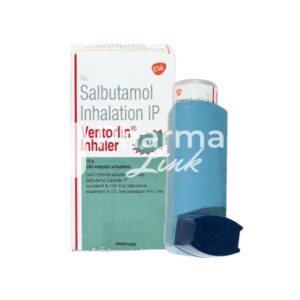
Ventolin Inhaler
fromUnderstanding Asthma: What You Need to Know
Asthma is a chronic respiratory condition that affects millions of Canadians every year. This condition causes inflammation and narrowing of the airways in the lungs, making it difficult to breathe. When an asthma attack occurs, the muscles around the airways tighten, and the inflammation increases, reducing the amount of air that can flow through. Common symptoms include wheezing, shortness of breath, chest tightness, and coughing, particularly at night or during physical activity.
The condition can develop at any age, though it often begins in childhood. Some people may have mild symptoms that appear only occasionally, while others experience more frequent and severe episodes. Understanding your triggers is essential for managing asthma effectively. Common triggers include allergens like pollen and pet dander, respiratory infections, cold air, exercise, and air pollution. Stress and weather changes can also play a role in triggering symptoms.
Types of Asthma and Their Characteristics
There are several different types of asthma that people in Canada may experience. Each type presents unique challenges and requires individualized management strategies. Your healthcare provider can help identify which type you have through testing and careful evaluation of your symptoms and medical history.
- Allergic asthma is the most common form and develops when the immune system overreacts to allergens in the environment
- Non-allergic asthma can be triggered by stress, infections, or changes in temperature
- Exercise-induced asthma occurs when physical activity triggers symptoms
- Occupational asthma develops from exposure to workplace irritants
- Seasonal asthma flares up during specific times of the year when certain allergens are present
- Year-round asthma occurs due to indoor triggers like dust mites or pet fur
- Brittle asthma is a rare but serious form characterized by unstable symptoms and frequent attacks
Understanding which type you have helps your healthcare provider recommend the most appropriate treatment plan. Your doctor can perform tests like spirometry to measure lung function and help identify your specific asthma type. This information is valuable for developing an effective long-term management strategy.
Asthma Medications Available in Canada
Canada has a wide range of asthma medications available to help manage symptoms and prevent attacks. These medications fall into two main categories: quick-relief medications and long-term control medications. Quick-relief inhalers, also known as rescue inhalers, provide immediate relief during an asthma attack.
Salbutamol is the most commonly prescribed quick-relief medication in Canada and is available under brand names like Ventolin and Asmol. This bronchodilator works within minutes to open the airways. For long-term control, inhaled corticosteroids like Fluticasone, Beclomethasone, and Budesonide are frequently prescribed. These medications reduce inflammation and prevent symptoms from occurring in the first place.
Combination inhalers contain both a corticosteroid and a long-acting bronchodilator, such as Seretide and Symbicort. These are popular choices for moderate to severe asthma. Montelukast, sold under the brand name Singulair, is an oral medication that helps block inflammatory chemicals. For severe cases, biologic medications like Omalizumab and Dupilumab offer targeted treatment options. Many of these medications are covered by provincial health plans or private insurance in Canada, though coverage varies by province.
How to Use Your Asthma Medications Correctly
Proper medication technique is crucial for effective asthma control. Most asthma medications are delivered through inhalers, which require correct technique for the medication to reach your lungs effectively. Start by shaking your inhaler well, then exhale completely. Place the mouthpiece in your mouth and create a tight seal with your lips.
Press down on the inhaler while simultaneously breathing in slowly and deeply. Hold your breath for ten seconds if possible, then exhale slowly. Wait at least one to two minutes between puffs if you need more than one. Many people find their technique improves with practice and guidance from a pharmacist or respiratory therapist. Your pharmacy team in Canada can demonstrate proper technique and correct any mistakes.
If you use a combination of quick-relief and maintenance inhalers, always use your quick-relief medication first, wait five minutes, then use your maintenance inhaler. This allows the airways to open, helping the second medication reach deeper into the lungs. Spacers and holding chambers can help improve medication delivery, particularly for children or those with difficulty coordinating their breathing with inhaler activation. Never stop taking your maintenance medication during periods without symptoms, as this can lead to increased inflammation and sudden attacks.
Developing Your Personal Asthma Action Plan
A personal asthma action plan is a written guide that helps you recognize symptoms and know exactly what to do when asthma flares up. Your healthcare provider can help you create this plan, and it’s essential that family members and friends understand it as well. The plan typically includes a list of your known triggers and strategies to avoid them.
Your plan should clearly identify which medications to take during normal, controlled asthma and which to use during attacks. It outlines the steps to take if your symptoms worsen, including when to contact your doctor or seek emergency care. Most asthma action plans use a traffic light system with green, yellow, and red zones. The green zone indicates good asthma control, yellow warns of worsening symptoms, and red signals a medical emergency requiring immediate attention.
Keep your action plan easily accessible at all times. Share copies with your employer, school, or childcare provider. Review and update your plan regularly, especially after starting new medications or experiencing a serious attack. Your pharmacist can help explain your action plan and ensure you understand when and how to use each medication prescribed. Regular monitoring of your symptoms helps identify patterns and allows for adjustments to your treatment plan.
Managing Asthma Long-Term and When to Seek Help
Long-term asthma management involves consistent medication use, trigger avoidance, and regular medical check-ups. Keep your home clean and dry to reduce dust mites and mold, which are common triggers. Use air purifiers if you live in areas with high pollution levels. Maintain good indoor air quality by ensuring proper ventilation and avoiding smoke and strong chemical odours.
Exercise is important for overall health and should not be avoided due to asthma. With proper medication and warm-up routines, most people with asthma can participate in physical activity. Talk to your doctor about preventing exercise-induced asthma symptoms. Regular monitoring through spirometry tests helps your healthcare provider adjust your treatment as needed.
Seek immediate medical help if you experience severe shortness of breath, chest pain, confusion, or if your quick-relief inhaler doesn’t relieve symptoms within fifteen minutes. Visit your doctor if you’re using your rescue inhaler more than twice a week, as this indicates your asthma isn’t well controlled. Canadian healthcare providers recommend annual asthma reviews to ensure your medications remain effective. Your pharmacist is also an excellent resource for ongoing support, medication reviews, and answers to questions about your asthma management.