
Antiparasitic
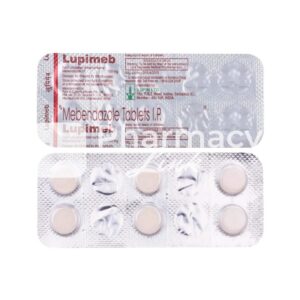
Mebendazole
from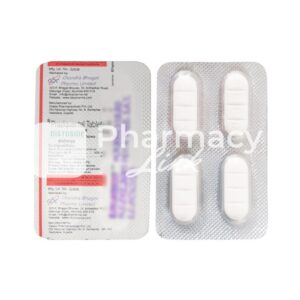
Biltricide
from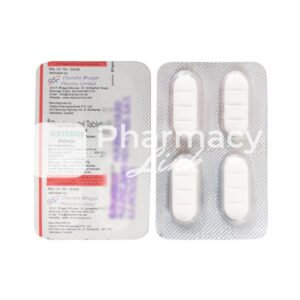
Praziquantel
from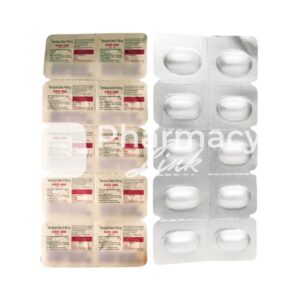
Albendazole
from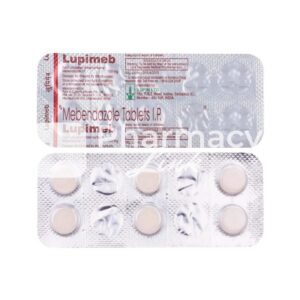
Vermox
from
Albenza
fromUnderstanding Parasitic Infections
Parasitic infections occur when parasites enter the body and establish themselves in various tissues and organs. These unwanted organisms can cause significant health problems ranging from mild discomfort to serious complications. Parasites are living creatures that survive by living on or inside a host organism, feeding on their nutrients and sometimes causing damage to tissues.
Common types of parasitic infections include those caused by roundworms, tapeworms, hookworms, and protozoa. These infections can be transmitted through contaminated food and water, insect bites, or direct contact with infected individuals. Symptoms vary depending on the type of parasite and the severity of infection, but may include digestive issues, fatigue, skin irritation, and allergic reactions.
Understanding how parasitic infections develop helps individuals take preventive measures and seek appropriate treatment. Regular hygiene practices, proper food preparation, and safe water consumption are essential preventive strategies. When infection does occur, antiparasitic medications become necessary to eliminate the unwanted organisms and restore health.
Types of Antiparasitic Medications Available in Canada
Oral Antiparasitic Treatments
Canada’s pharmaceutical market offers several effective oral antiparasitic medications. Mebendazole is widely available and effective against roundworms, hookworms, and whipworms. It works by preventing parasites from absorbing glucose, leading to their eventual elimination from the body.
Albendazole represents another popular choice for treating various helminthic infections. This broad-spectrum antiparasitic is effective against tapeworms, roundworms, and hookworms. Many Canadian pharmacies stock this medication in tablet form for convenient oral administration.
Pyrantel pamoate serves as an alternative treatment, particularly effective against roundworms and hookworms. This medication paralyzes parasites, allowing the body to eliminate them naturally through bowel movements.
Prescription Antiparasitic Options
For more complex parasitic infections, prescription medications like Ivermectin provide powerful treatment. This medication is particularly effective against certain parasites and is available through Canadian pharmacies with proper medical authorization.
Praziquantel offers specialized treatment for tapeworm infections and is commonly prescribed by Canadian healthcare providers when standard treatments prove insufficient.
Treating Common Parasitic Conditions
Intestinal Worm Infections
Intestinal parasitic infections represent the most common parasitic health concern. Roundworms, the most frequent intestinal parasites, affect millions globally. In Canada, cases occur through consumption of contaminated food or water. Antiparasitic medications like mebendazole typically require a short course of treatment, usually spanning just a few days.
Tapeworm infections require more targeted treatment approaches. These parasites can grow quite large within the intestines and may cause nutritional deficiencies. Albendazole and praziquantel prove highly effective for tapeworm elimination, often requiring single or short-course dosing.
Protozoal Infections
Giardia and cryptosporidium represent common protozoal parasites affecting Canadians. These parasites cause severe digestive symptoms including chronic diarrhea and malabsorption issues. Medications like metronidazole effectively treat giardiasis, while other protozoal infections may require alternative antiparasitic approaches.
How Antiparasitic Medications Work
Mechanism of Action
Antiparasitic medications operate through various mechanisms to eliminate parasites. Some medications disrupt the parasite’s ability to absorb essential nutrients, leading to starvation and death. Others paralyze the parasite’s muscular system, preventing movement and reproduction.
Certain antiparasitic drugs interfere with the parasite’s energy production systems, effectively exhausting the organism. These different mechanisms allow healthcare providers to select appropriate medications based on the specific parasite type and infection severity.
Dosage and Administration
Most antiparasitic medications in Canada follow straightforward dosing protocols. Mebendazole typically requires taking one tablet twice daily for three days. Albendazole often involves single or short-course dosing depending on infection type.
Treatment duration varies based on parasite type and individual factors. Some infections respond to single-dose treatment, while others require extended courses. Canadian pharmacists provide detailed instructions ensuring proper medication use and optimal treatment outcomes.
Side Effects and Safety Considerations
Common Adverse Effects
Most antiparasitic medications are generally well-tolerated by Canadian patients. Common mild side effects include the following:
- Nausea and headache
- Abdominal discomfort or cramping
- Dizziness or fatigue
- Temporary digestive changes
These effects typically resolve quickly as treatment progresses. Maintaining adequate hydration and proper nutrition supports the body’s tolerance of antiparasitic therapy.
Important Safety Information
Certain populations require special consideration when using antiparasitic medications. Pregnant individuals should consult healthcare providers before taking antiparasitic drugs, as some medications may pose risks to fetal development. Nursing mothers similarly need professional guidance regarding medication safety.
Individuals with liver or kidney disease require dose adjustments or alternative medications. Canadian healthcare providers carefully review medical histories to ensure safe treatment selection. Reporting all current medications to your pharmacist prevents dangerous drug interactions.
Prevention and Complementary Care
Preventive Measures
Avoiding parasitic infections requires consistent attention to hygiene and food safety. Washing hands thoroughly before eating and after using restrooms significantly reduces infection risk. Proper cooking of meat eliminates parasites that might survive undercooked food preparation.
Drinking clean water and avoiding questionable water sources protects against waterborne parasites. When travelling to regions with higher parasitic infection rates, extra vigilance regarding food and water consumption becomes essential. Canadian health authorities recommend researching destination health risks before international travel.
Supporting Recovery
During and after antiparasitic treatment, maintaining proper nutrition supports the body’s healing process. Consuming iron-rich foods addresses potential deficiencies caused by parasitic infections. Adequate protein intake supports tissue repair and immune system function.
Rest and stress management enhance treatment effectiveness. Following your healthcare provider’s recommendations regarding follow-up testing ensures complete parasitic elimination. Some infections require repeat treatment to address newly hatched parasites, so adhering to prescribed protocols remains important for successful recovery and preventing reinfection.