
Antifungals
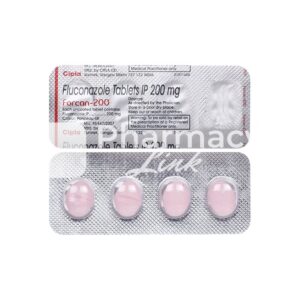
Diflucan
from
Fluconazole
from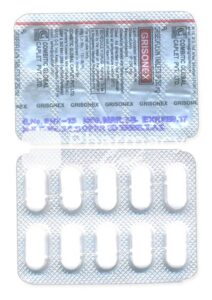
Grifulvin V
from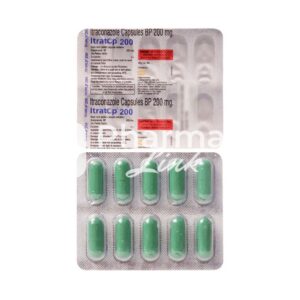
Itraconazole
fromUnderstanding Fungal Infections
Fungal infections affect millions of Canadians each year and can range from minor skin irritations to serious systemic conditions. These infections occur when fungi invade the body and multiply, overwhelming the immune system’s ability to keep them in check. Common fungal infections include athlete’s foot, candida, ringworm, and nail fungus. Risk factors include warm and moist environments, weakened immunity, antibiotic use, and poor hygiene. Understanding the type of fungal infection is crucial for selecting the right treatment.
Antifungal medications work by either killing the fungus directly or preventing it from growing and spreading. Different antifungals target specific types of fungi, making accurate diagnosis important before starting treatment. Many fungal infections can be prevented through simple measures like keeping skin dry, wearing breathable clothing, and maintaining proper hygiene practices.
Topical Antifungal Treatments
Topical antifungals are applied directly to the skin and are ideal for surface-level infections. These medications come in various forms including creams, ointments, powders, and sprays, making them convenient for home use. Popular topical antifungals available in Canada include clotrimazole, miconazole, terbinafine, and tolnaftate.
- Clotrimazole cream is widely used for athlete’s foot and other skin infections and is available under brand names like Canesten
- Miconazole products are effective against yeast infections and are commonly found in pharmacy shelves across Canada
- Terbinafine, marketed as Lamisil, is particularly effective for fungal nail infections and athlete’s foot
- Tolnaftate is another option for treating surface fungal infections
Most topical treatments require application two to three times daily for two to four weeks. Side effects are minimal with topical application, though some people may experience mild irritation or allergic reactions. These medications are often available without prescription, making them accessible and affordable for most Canadians.
Oral Antifungal Medications
Oral antifungals are prescribed for more serious or widespread fungal infections that topical treatments cannot adequately address. These systemic medications enter the bloodstream and treat infections from within the body. Fluconazole is one of the most commonly prescribed oral antifungals in Canada and is available under the brand name Diflucan. It effectively treats yeast infections, candida, and other fungal conditions.
Terbinafine tablets are prescribed for stubborn nail fungus infections and require several weeks to months of treatment. Itraconazole is another popular oral antifungal that works well for various fungal infections and is known by the brand name Sporanox. Griseofulvin is an older antifungal still used for certain fungal infections, particularly those affecting hair and nails. Ketoconazole, while less commonly used now due to potential liver effects, is still available for specific fungal conditions.
Oral antifungals typically require a prescription from a healthcare provider and may have more side effects than topical options. Treatment duration varies from a single dose to several months depending on the infection type and severity. Regular monitoring may be necessary to ensure the medication is working effectively and safely.
Antifungal Treatments for Specific Conditions
Different fungal infections require different approaches and medications. Athlete’s foot, medically known as tinea pedis, responds well to topical creams like terbinafine or clotrimazole applied for two to four weeks. Vaginal yeast infections are commonly treated with fluconazole taken orally as a single dose or with topical clotrimazole cream applied internally.
Oral thrush, a fungal infection in the mouth, is typically treated with fluconazole tablets or nystatin oral suspension. Ringworm, despite its name not being caused by a worm, responds to topical antifungals for mild cases or oral medications for severe infections. Fungal nail infections are among the most stubborn and require prolonged treatment with oral terbinafine or itraconazole for several months.
Jock itch affects the groin area and responds to topical miconazole or clotrimazole applied regularly. Scalp fungal infections may require oral medications combined with medicated shampoos. Each condition has specific characteristics and treatment durations, so consulting with a pharmacist or doctor ensures appropriate therapy.
Choosing the Right Antifungal Product
Selecting the appropriate antifungal depends on several factors including the type of infection, its location on the body, severity, and personal health history. For surface skin infections affecting areas like feet or groin, topical treatments are usually the first choice due to minimal side effects and ease of application. For infections involving nails or hair, oral medications are necessary as topical treatments cannot penetrate these structures adequately.
People with compromised immune systems or multiple fungal infections may require stronger systemic medications. Consulting a pharmacist or healthcare provider helps identify the most effective option for your specific situation. Consider any existing medical conditions or medications you take, as some antifungals may interact with other drugs. Pregnancy and breastfeeding require special consideration, as some antifungals are safer than others during these periods.
Over-the-counter options are available for common fungal infections, but prescription-strength medications offer more potent solutions for resistant cases. Always follow the complete course of treatment even if symptoms disappear, as incomplete treatment can lead to recurrence.
Prevention and Lifestyle Tips
Preventing fungal infections is more effective than treating them after they develop. Keep your skin clean and dry, especially in warm and moist areas like between toes, under arms, and skin folds. Wear breathable, moisture-wicking clothing and change out of sweaty clothes promptly. Avoid walking barefoot in public areas like locker rooms, showers, and swimming pools where fungi thrive.
- Use antifungal powder or spray in shoes and on feet if you frequently experience fungal infections
- Trim toenails straight across and keep them short to prevent fungal colonisation
- Do not share personal items like towels, nail clippers, hairbrushes, or combs with others
- Maintain a healthy immune system through proper nutrition, exercise, and adequate sleep
- Discuss with your pharmacist about taking probiotics if you take antibiotics
- Choose nail salons that follow proper sterilisation procedures for manicures and pedicures
For those prone to fungal infections, regular antifungal foot soaks or preventative applications may be recommended by healthcare providers. By implementing these prevention strategies and maintaining good personal hygiene, you can significantly reduce your risk of developing fungal infections and enjoy healthier skin year-round.