
Alcoholism
Understanding Alcoholism and Its Impact on Health
Alcoholism, also known as alcohol use disorder (AUD), is a chronic medical condition characterized by an inability to control alcohol consumption despite negative consequences. This condition affects millions of Canadians and can lead to serious physical, mental, and social health problems. Understanding alcoholism is the first step toward recovery and managing the condition effectively.
What Is Alcoholism?
Alcoholism develops when regular alcohol consumption leads to dependence, where the body and mind require alcohol to function. Signs include increased tolerance, withdrawal symptoms when not drinking, and continued use despite knowing the harm it causes. The condition can range from mild to severe and affects people from all walks of life.
Health Consequences
Long-term alcohol abuse damages multiple organ systems, particularly the liver, heart, and brain. Physical complications include liver cirrhosis, pancreatitis, cardiovascular disease, and increased cancer risk. Mental health issues such as depression, anxiety, and cognitive impairment often accompany alcoholism, making recovery more complex.
When to Seek Help
If you or a loved one experiences frequent blackouts, relationship problems due to drinking, failed attempts to cut back, or withdrawal symptoms like tremors and sweating, professional help is necessary. Early intervention significantly improves recovery outcomes.
Medications Available in Canada for Alcohol Dependence Treatment
Several medications are approved and available in Canada to help manage alcohol dependence by reducing cravings, preventing relapse, and easing withdrawal symptoms. These pharmaceutical treatments work best when combined with counselling and behavioural therapy.
Naltrexone
Naltrexone is widely prescribed in Canada and works by blocking opioid receptors in the brain, reducing the rewarding effects of alcohol. Available in both oral and extended-release injection forms, naltrexone helps decrease cravings and prevents relapse. The medication is particularly effective for people motivated to remain abstinent. Common brand names include ReVia and Vivitrol. Patients typically take naltrexone daily or receive monthly injections, depending on their preference and treatment plan.
Acamprosate (Campral)
Acamprosate is specifically designed to maintain abstinence by restoring the brain’s chemical balance disrupted by chronic alcohol use. This medication is particularly useful during the early stages of recovery and doesn’t prevent intoxication, making it safer for patients at risk of relapse. Canadian pharmacies stock Campral in tablet form, requiring three daily doses to maintain effectiveness. It has minimal side effects and doesn’t interact negatively with other medications.
Disulfiram (Antabuse)
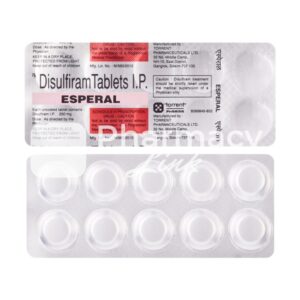
Disulfiram works through a unique mechanism by causing unpleasant reactions if alcohol is consumed while taking the medication. These reactions include flushing, nausea, vomiting, and chest discomfort, creating a powerful deterrent to drinking. Disulfiram requires strong motivation and commitment since patients must choose daily compliance. It’s available through Canadian pharmacies and remains an effective option for highly motivated individuals.
Withdrawal Management and Medical Support
Alcohol withdrawal can be dangerous and requires professional medical supervision. When someone stops drinking after prolonged use, their body experiences withdrawal symptoms ranging from mild to life-threatening. Understanding withdrawal and having proper medical support is crucial for safe recovery.
Understanding Withdrawal Symptoms
Withdrawal symptoms typically begin 6 to 24 hours after the last drink and can include anxiety, tremors, sweating, headaches, and nausea. Severe withdrawal may progress to hallucinations, seizures, or delirium tremens, a serious condition requiring immediate hospitalization. The severity depends on the duration and amount of alcohol consumption.
Medical Supervision
Healthcare providers monitor patients during withdrawal, adjusting treatment as needed. Medical professionals assess vital signs and symptoms to ensure patient safety. Many Canadian clinics offer outpatient withdrawal management for mild cases, while severe cases require inpatient hospitalization.
Supportive Medications
Benzodiazepines are commonly prescribed during withdrawal to reduce anxiety and prevent seizures. Thiamine and other B vitamins are administered to prevent neurological complications. Healthcare providers may also prescribe medications to manage blood pressure, heart rate, and other withdrawal-related symptoms.
Counselling, Therapy, and Support Programs
Medication alone is insufficient for treating alcoholism. Behavioural therapy, counselling, and support programs form the foundation of successful recovery, helping individuals address underlying issues and develop coping strategies.
Individual and Group Counselling
Licensed counsellors specializing in addiction work with patients to identify triggers, develop coping mechanisms, and address co-occurring mental health issues. Individual therapy provides personalized treatment plans, while group counselling offers peer support and shared experiences. Many Canadian addiction treatment centres offer both formats.
Cognitive Behavioural Therapy (CBT)
CBT helps individuals recognize negative thought patterns leading to alcohol use and develop healthier responses. This evidence-based approach has strong success rates and is available through private therapists and public health services across Canada.
Support Groups and Family Involvement
Recovery is strengthened through multiple support mechanisms, including:
- Alcoholics Anonymous (AA) and peer support groups providing ongoing community support and accountability
- SMART Recovery and other alternative support programs offering different approaches to recovery
- Family therapy addressing how alcoholism impacts relationships and helping loved ones support recovery
- Al-Anon and similar programs helping family members cope with the effects of a loved one’s drinking
Lifestyle Changes and Recovery Strategies
Successful recovery extends beyond medication and therapy. Implementing lifestyle changes and healthy strategies significantly increases the chances of maintaining sobriety and improving overall quality of life.
Nutrition, Exercise, and Stress Management
Alcohol damages nutritional health, and recovery involves rebuilding physical wellness through proper nutrition and regular exercise. Exercise reduces stress, improves mood, and strengthens overall health. Many Canadian fitness centres and health clinics offer programs specifically designed for people in recovery. Stress is a common relapse trigger, making stress management techniques essential. Meditation, yoga, deep breathing exercises, and mindfulness practices help manage stress without alcohol. Quality sleep supports physical and mental recovery, and establishing regular sleep schedules improves treatment outcomes.
Building a Supportive Network
Building healthy relationships and avoiding high-risk situations protects sobriety. Developing new hobbies and social activities unrelated to drinking provides fulfillment and purpose. Maintaining connections with supportive friends and family strengthens recovery and provides accountability.
Professional Help and Treatment Options in Canada
Canada offers multiple treatment pathways for alcoholism, from publicly funded services to private rehabilitation centres. Accessing appropriate professional help significantly improves recovery success.
Available Treatment Resources
Provincial health systems provide addiction counselling, withdrawal management, and medication-assisted treatment. Patients access these services through their family physicians or by contacting local addiction services directly. Many Canadian provinces offer free or subsidized treatment. Private rehabilitation facilities across Canada offer intensive residential and outpatient programs, with comprehensive treatment including medical supervision, therapy, and aftercare planning. Programs range from several weeks to several months depending on individual needs.
Digital health platforms now offer virtual counselling and support group meetings, increasing accessibility for Canadians in remote areas. Telehealth services provide convenient options for ongoing therapy and medication management. Many Canadian employers offer Employee Assistance Programs providing confidential counselling and treatment referrals. Insurance coverage varies, and employees should contact their HR departments for specific benefits and program details.
Beginning your recovery journey requires courage and commitment. Whether you choose medication-assisted treatment, therapy, support groups, or a combination of approaches, professional support in Canada is accessible and effective. Speaking with your family physician or contacting your provincial addiction services is the first step toward reclaiming your health and building a fulfilling life free from alcohol dependence.