{{ __('Your cart') }}0
0,00 $
0
artiklar
0,00 $
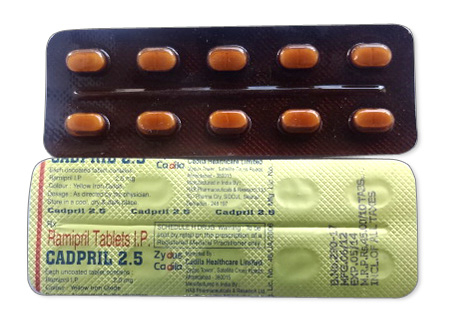
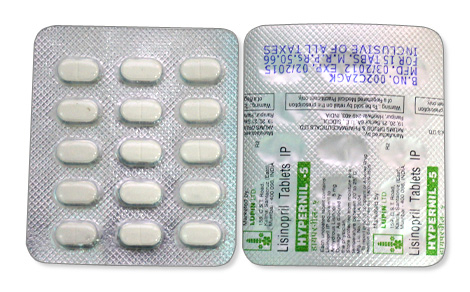
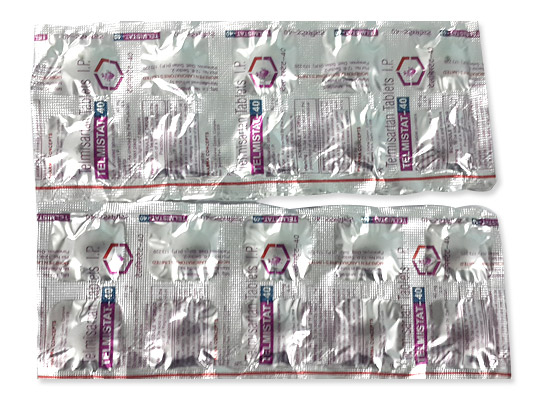
Blood pressure medications are essential for controlling hypertension and preventing serious health complications. High blood pressure increases the risk of heart disease, stroke, and kidney problems. Managing blood pressure effectively can significantly reduce these risks and improve overall health.
Several classes of blood pressure medications are widely prescribed across Canada:
Blood pressure management often requires lifestyle changes alongside medication. Regular monitoring helps ensure your medication is working effectively. Many people need combination therapy using multiple medications to achieve their target blood pressure. Consistency in taking medications as prescribed is crucial for success. Your pharmacist can help explain how each medication works and potential side effects you may experience.
Cholesterol management is vital for maintaining heart health and preventing atherosclerosis. High cholesterol levels contribute to plaque buildup in arteries, restricting blood flow and increasing heart attack and stroke risk. Proper management through medication and lifestyle changes can effectively reduce these dangers.
Several medication classes help manage cholesterol levels effectively:
Regular blood tests monitor cholesterol levels and medication effectiveness. Most cholesterol medications work best when combined with a heart-healthy diet. Exercise and weight management complement medication therapy significantly. Some people need to try different statins to find the most suitable option for their individual needs. Your healthcare provider determines if additional medications beyond statins are necessary based on your individual risk factors and health profile.
Arrhythmias are irregular heartbeats that can range from harmless to potentially life-threatening. These conditions require proper medication management to maintain normal heart rhythm and prevent complications. Treatment depends on the type and severity of the arrhythmia you are experiencing.
Several medication classes help restore and maintain normal heart rhythm:
Regular heart monitoring through EKG or Holter monitors helps assess treatment effectiveness. Some antiarrhythmic medications require careful monitoring due to potential side effects. Your pharmacist should review all medications to prevent dangerous interactions. Lifestyle modifications including stress reduction often support medication therapy. Emergency medical attention may be needed if you experience severe symptoms like chest pain or severe shortness of breath.
Heart failure occurs when the heart cannot pump blood effectively throughout the body. Medications help improve heart function and reduce symptoms. Proper management enables patients to maintain better quality of life and prevents disease progression.
Multiple medication classes work together to manage heart failure effectively:
Daily weight monitoring helps identify fluid buildup early. Following a low-sodium diet supports medication therapy. Limiting fluid intake may be necessary as advised by your doctor. Regular follow-up appointments monitor disease progression. Understanding your medications and taking them consistently is essential for success. Your pharmacist can provide guidance on managing multiple medications safely and effectively.
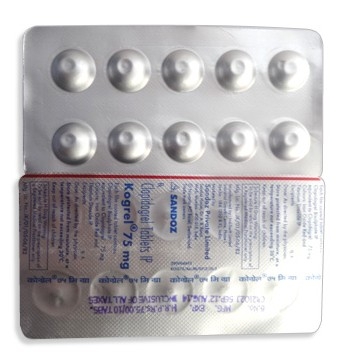
Anticoagulant medications prevent blood clots that can cause strokes, heart attacks, and other serious complications. These medications are essential for certain heart conditions and after surgical procedures. Proper use requires understanding how they work and monitoring requirements.
Several anticoagulation strategies are available to Canadian patients:
Taking anticoagulants exactly as prescribed is critical for effectiveness and safety. Regular medical appointments monitor your response to therapy. Inform all healthcare providers that you take anticoagulants before procedures. Avoid sudden changes in medication without consulting your doctor. Be aware of signs of bleeding and report them immediately. Your pharmacist can answer questions about interactions with other medications or foods.
Angina is chest pain caused by reduced blood flow to the heart. Medications relieve symptoms and improve exercise tolerance. Treatment aims to reduce chest pain episodes and prevent heart attacks.
Several medication classes help manage angina and coronary artery disease:
Keep fast-acting nitroglycerin available at all times for emergency use. Identify and avoid situations triggering chest pain. Regular exercise as approved by your doctor strengthens your heart. Stress management techniques complement medication therapy. Maintain heart-healthy eating habits to slow disease progression. Report any changes in your angina pattern to your healthcare provider immediately. Your pharmacist can explain proper use of each medication and how to recognize when emergency care is needed.